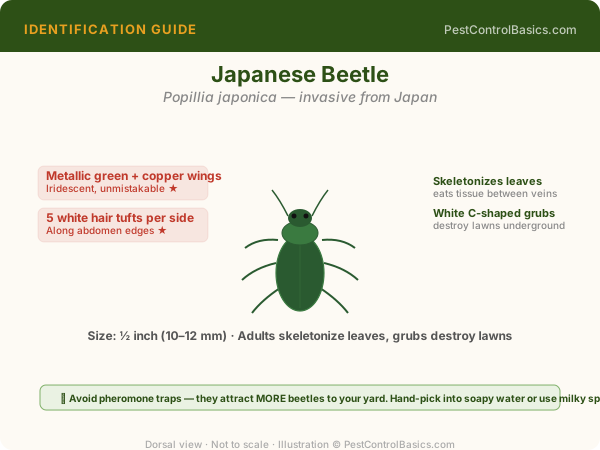
Original illustration by PestControlBasics.com. Use anatomical labels above to confirm your identification.
🔍 Identification
Adults: 5-7mm; black; oval; shiny; slow-moving. Larvae (mealworms): yellow-brown, segmented, up to 25mm — sold as pet food. Found in significant numbers in poultry houses, feed mills, homes with bird feeders, and grain storage. Adults accumulate in insulation, under equipment pads, and in litter. One poultry house can contain millions of darkling beetles.
🧬 Biology & Behavior
In poultry facilities: larvae burrow into insulation (causing heat loss and moisture problems); adults vector Marek's disease, Gumboro disease, and Salmonella between flocks; enormously high densities create structural and sanitation problems. In residential settings: infest bird seed, chicken feed, and damp grain stored in garages. Attracted to lights at night. Life cycle completes in 5-6 weeks in warm conditions.
⚠️ Damage & Health Risk
Insulation destruction in poultry houses; disease transmission between poultry flocks; contamination of stored grain and bird seed; structural damage from larval burrowing.
🔧 DIY Treatment
Residential: Discard infested bird seed; store all grain in airtight containers; apply bifenthrin to floor cracks and storage areas. Poultry facility: between-flock cleanout and chemical treatment is critical. Spinosad (Captivate) bait is effective in poultry facilities where it's labeled.
👷 When to Call a Pro
Commercial poultry facility treatment requires licensed PCO with products labeled for poultry house use — specifically bifenthrin and permethrin applied to structural surfaces during cleanout.