πŸͺ² Darkling Beetle / Mealworm Beetle

Alphitobius diaperinus Β· Coleoptera: Tenebrionidae

Darkling beetles are the adult stage of mealworms β€” sold in pet stores. In poultry facilities they cause significant damage, spread disease, and are notoriously difficult to control.

BeetleMealwormTenebrionidaePoultryGrainDarkling
πŸͺ²
Risk Level
Poultry / Grain Pest
πŸ“ FIELD GUIDE ILLUSTRATION
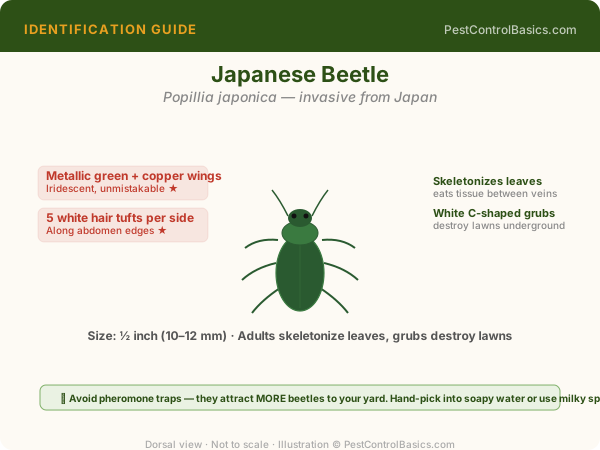
Japanese Beetle (Popillia japonica) identification illustration with labeled anatomical features β€” PestControlBasics.com

Original illustration by PestControlBasics.com. Use anatomical labels above to confirm your identification.

πŸ”¬
PestControlBasics Editorial Team
Reviewed by Derek Giordano Β· Updated 2026

πŸ” Identification

Adults: 5-7mm; black; oval; shiny; slow-moving. Larvae (mealworms): yellow-brown, segmented, up to 25mm β€” sold as pet food. Found in significant numbers in poultry houses, feed mills, homes with bird feeders, and grain storage. Adults accumulate in insulation, under equipment pads, and in litter. One poultry house can contain millions of darkling beetles.

🧬 Biology & Behavior

In poultry facilities: larvae burrow into insulation (causing heat loss and moisture problems); adults vector Marek's disease, Gumboro disease, and Salmonella between flocks; enormously high densities create structural and sanitation problems. In residential settings: infest bird seed, chicken feed, and damp grain stored in garages. Attracted to lights at night. Life cycle completes in 5-6 weeks in warm conditions.

⚠️ Damage & Health Risk

Insulation destruction in poultry houses; disease transmission between poultry flocks; contamination of stored grain and bird seed; structural damage from larval burrowing.

πŸ”§ DIY Treatment

Residential: Discard infested bird seed; store all grain in airtight containers; apply bifenthrin to floor cracks and storage areas. Poultry facility: between-flock cleanout and chemical treatment is critical. Spinosad (Captivate) bait is effective in poultry facilities where it's labeled.

πŸ‘· When to Call a Pro

Commercial poultry facility treatment requires licensed PCO with products labeled for poultry house use β€” specifically bifenthrin and permethrin applied to structural surfaces during cleanout.

❓ FAQ

Are mealworms and darkling beetles the same thing?
Yes β€” mealworms sold in pet stores are the larvae of the darkling beetle (Tenebrio molitor or Alphitobius diaperinus). The familiar yellow-brown segmented 'worm' becomes a small black beetle. Pet stores intentionally keep them in the larval stage by refrigerating them.
Why do I have darkling beetles coming from my bird feeder area?
Bird seed, particularly millet and sunflower seeds, is a preferred food source for darkling beetle larvae. Wet or spilled bird seed under feeders creates ideal breeding habitat. Clean up spilled seed weekly, store bird seed in sealed metal containers, and apply bifenthrin to the area under the feeder.

πŸ—ΊοΈ Geographic Range & Distribution

FactorDetails
U.S. RangeAll or most U.S. states
Regional DetailDistribution varies β€” consult your local extension service for regional prevalence data.

πŸ“… Treatment Timing Guide

Treating at the right time dramatically improves results. Pest control timed to the life cycle uses less product and achieves better long-term control.

PeriodAction
SpringInspection and perimeter treatment before pest season starts.
SummerActive monitoring and targeted treatments as needed.
FallPreventive treatment before overwintering pests seek entry.

πŸ’° Professional Treatment Costs

Service TypeDIY CostProfessional Cost
Initial inspectionFree (self-inspect)$75–$150 (often credited to treatment)
One-time treatment$30–$100 in materials$150–$500
Annual service contractN/A$400–$900/year
Severe infestationOften ineffective alone$500–$2,500+

Prices vary by region, property size, and infestation severity.

πŸ“š More on This Topic

Related guides and profiles:

πŸ”— πŸͺ² Japanese Beetle β€” Adults & Grub ControlπŸ”— πŸͺ² Cucumber BeetleπŸ”— πŸͺ² Confused Flour BeetleπŸ”— πŸͺ² Beneficial Ground Beetles

❓ Common Questions About πŸͺ² Darkling Beetle / Mealworm Beetle

How do I confirm I actually have this pest (not something similar)?
The most reliable confirmation is a physical specimen β€” capture one and compare to reference images on this page. For cryptic pests (bed bugs, termites), look for secondary signs: frass, shed skins, mud tubes, or bites with a specific pattern. When uncertain, a professional inspection is faster than months of misidentification.
Can I treat this myself or do I need a professional?
DIY is effective for small, accessible infestations caught early. Professionals are worth the cost when: the infestation is inside wall voids or structural elements, multiple rooms are affected, you have health-risk pests (hantavirus, venomous species), or DIY has already failed twice.
How long until the infestation is completely gone?
Expect 3–8 weeks for most infestations with proper treatment. Insects with dormant life stages (pupae, eggs) extend the timeline because those stages are impervious to most insecticides. Follow-up treatments at 2 and 4 weeks catch each new cohort as they emerge.
What's the most common mistake people make treating this pest?
Treating only the visible pest population while ignoring the harborage site, entry point, or breeding location. Killing adults provides temporary relief but the population rebuilds from hidden egg cases, pupae, or new arrivals through unaddressed entry points.
🧪 Recommended Treatment Products
Pyrethrin Aerosol Lambda-Cyhalothrin Safety & PPE Guide Bifenthrin Carbaryl (Sevin)
Full product guides with mixing rates and safety info. → Browse All 130 Pesticide Guides
πŸ“š Sources: EPA Termite Guide Β· NPMA Termite Info
Published: Jan 1, 2025 Β· Updated: Apr 7, 2026

πŸ—ΊοΈ US Distribution β€” Darkling Beetle

image/svg+xml
Common Occasional Not Present
States Present
49
Occasional
2
Primary Region
All agricultural regions
πŸ“Š Source: University extension services, USDA, CDC vector data, and published entomological surveys.