πŸͺ΅ Drywood Termite

Incisitermes minor Β· Blattodea: Kalotermitidae

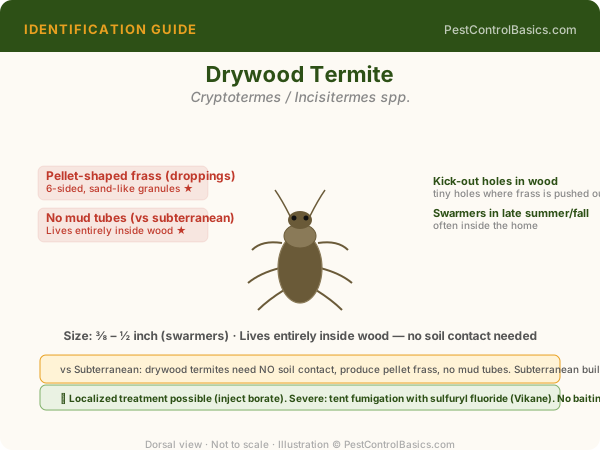
Drywood termites live entirely inside wood with no soil connection. Their distinctive hexagonal frass pellets and the absence of mud tubes are the key identifiers.

TermiteDrywoodStructuralCaliforniaHawaiiNo Mud Tubes
πŸͺ΅
Risk Level
Structural β€” Dry Wood
πŸ“ FIELD GUIDE ILLUSTRATION
Drywood Termite (Cryptotermes spp.) identification illustration with labeled anatomical features β€” PestControlBasics.com

Original illustration by PestControlBasics.com. Use anatomical labels above to confirm your identification.
πŸ“ FIELD GUIDE ILLUSTRATION
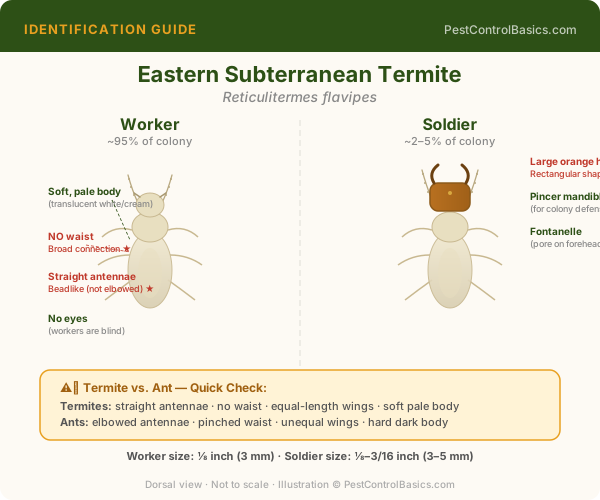
Eastern subterranean termite (Reticulitermes flavipes) worker and soldier identification illustration with labeled anatomical features β€” PestControlBasics.com

Original illustration by PestControlBasics.com. Use anatomical labels above to confirm your identification. For photo references, see the identification section below.

πŸ”¬
PestControlBasics Editorial Team
Reviewed by Derek Giordano Β· Updated 2026

πŸ” Identification

Workers and soldiers similar to other termites. The key ID: frass (droppings) is distinctive β€” tiny, elongated, 6-sided pellets that look like mustard seeds. Found in small piles below kick-out holes (1-2mm round holes in wood surfaces). Alates: 12-15mm; reddish-brown; swarm in fall in California or year-round in Hawaii.

🧬 Biology & Behavior

Establish entirely within wood β€” no mud tubes, no soil connection. Colonies small (few thousand workers) but multiple colonies can infest the same structure. Found primarily in coastal California, Hawaii, Florida, Gulf Coast.

⚠️ Damage & Health Risk

Slow structural damage over years; furniture and flooring damage; attic beam damage. Multiple independent colonies can be widespread throughout a structure.

πŸ”§ DIY Treatment

Localized: Boracare (bare wood only) or heat treatment. Widespread: fumigation (Vikane) is the only treatment reaching all galleries simultaneously. Surface sprays are ineffective β€” they can't penetrate to where termites work.

πŸ‘· When to Call a Pro

Drywood termite treatment almost always requires a licensed professional β€” fumigation requires specific licensing, equipment, and clearance testing.

❓ FAQ

How do I know if I have drywood or subterranean termites?
Drywood: no mud tubes; frass pellets (tiny 6-sided granules) below holes in wood; no soil access needed. Subterranean: mud tubes on foundation; always soil-connected; no visible frass pellets. Location and mud tube presence settles this in most cases.
What does drywood termite frass look like?
Tiny, uniform, hexagonal pellets about 1mm long β€” often compared to small seeds or poppy seeds. Piles of this frass below wood surfaces are the most reliable sign. Each frass pellet is a perfect hexagonal prism β€” truly distinctive.

πŸ—ΊοΈ Geographic Range & Distribution

FactorDetails
U.S. RangeAll 49 continental U.S. states
Regional DetailHighest in Southeast, Gulf Coast, and Pacific Coast. Lowest risk in upper Midwest and Mountain states.

πŸ“… Treatment Timing Guide

Treating at the right time dramatically improves results. Pest control timed to the life cycle uses less product and achieves better long-term control.

PeriodAction
Year-roundAnnual professional inspection. No 'off season' for termite activity.
March–MaySwarmer season β€” primary visible sign of colony presence.
Spring/FallOptimal timing for soil treatments and bait station placement.

πŸ’° Professional Treatment Costs

Service TypeDIY CostProfessional Cost
Initial inspectionFree (self-inspect)$75–$150 (often credited to treatment)
One-time treatment$30–$100 in materials$150–$500
Annual service contractN/A$400–$900/year
Severe infestationOften ineffective alone$500–$2,500+

Prices vary by region, property size, and infestation severity.

❓ Common Questions About πŸͺ΅ Drywood Termite

How do I confirm I actually have this pest (not something similar)?
The most reliable confirmation is a physical specimen β€” capture one and compare to reference images on this page. For cryptic pests (bed bugs, termites), look for secondary signs: frass, shed skins, mud tubes, or bites with a specific pattern. When uncertain, a professional inspection is faster than months of misidentification.
Can I treat this myself or do I need a professional?
DIY is effective for small, accessible infestations caught early. Professionals are worth the cost when: the infestation is inside wall voids or structural elements, multiple rooms are affected, you have health-risk pests (hantavirus, venomous species), or DIY has already failed twice.
How long until the infestation is completely gone?
Expect 3–8 weeks for most infestations with proper treatment. Insects with dormant life stages (pupae, eggs) extend the timeline because those stages are impervious to most insecticides. Follow-up treatments at 2 and 4 weeks catch each new cohort as they emerge.
What's the most common mistake people make treating this pest?
Treating only the visible pest population while ignoring the harborage site, entry point, or breeding location. Killing adults provides temporary relief but the population rebuilds from hidden egg cases, pupae, or new arrivals through unaddressed entry points.
πŸ“š Sources: EPA Termite Guide Β· NPMA Termite Info
Published: Jan 1, 2025 Β· Updated: Apr 7, 2026

πŸ—ΊοΈ US Distribution β€” Drywood Termites

image/svg+xml
Established Occasional / Transported Not Present
States Present
14
Occasional
11
Primary Region
Coastal South & Southwest
πŸ“Š Source: UF/IFAS Termite Collection, UC IPM, USDA Forest Products Laboratory drywood termite range data.