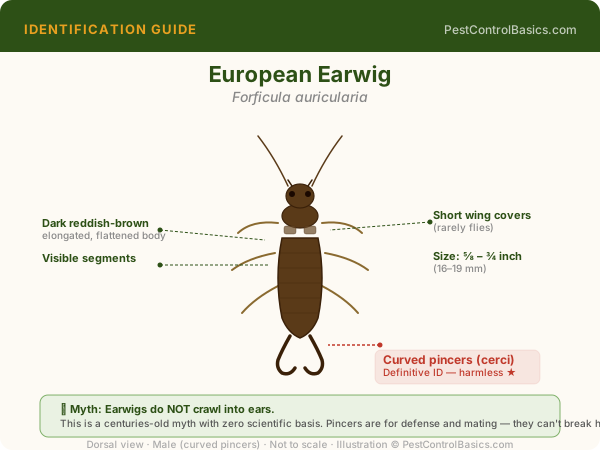
Original illustration by PestControlBasics.com. Use anatomical labels above to confirm your identification.
🔍 Identification
Adults: 12-18mm; elongated; dark reddish-brown; distinctive forceps (cerci) at the tail — curved in males, straighter in females; 2 pairs of wings (rarely fly). Found in moist, dark sheltered areas: under mulch, logs, flower pots, and rocks. Nocturnal. Found inside in damp basements and under sinks.
🧬 Biology & Behavior
Earwigs are omnivores — they eat both decaying organic matter and live plant material AND they eat aphids, mites, and other small insects. Their net garden impact is context-dependent: in orchards they're beneficial aphid predators; in seedling beds they can be damaging. They're unusually maternal insects — females guard eggs and young nymphs. The 'entering ears' myth is folklore; actual ear entry is extraordinarily rare and accidental.
⚠️ Damage & Health Risk
Feeding on flower petals and seedlings (primarily in excessive numbers); entry into homes during hot or drought periods; psychological disturbance. Their pincers can pinch if directly handled but rarely break skin.
🔧 DIY Treatment
Reduce exterior moisture and mulch contact. Bifenthrin perimeter spray. Newspaper roll traps (moisten, place at garden edges, shake into soapy water each morning). Door sweeps prevent interior entry.
👷 When to Call a Pro
Rarely warranted alone.