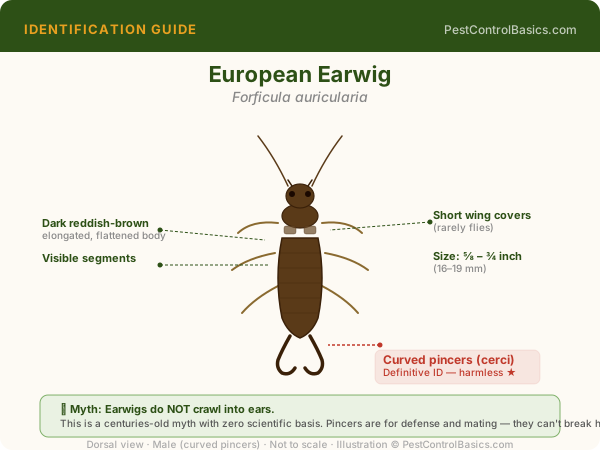
Original illustration by PestControlBasics.com. Use anatomical labels above to confirm your identification.
🔍 Identification
European Earwig (F. auricularia): 12-15mm; dark brown; prominent curved male forceps / straighter female forceps; pale legs. Widespread throughout US, dominant in North.
Striped Earwig (L. riparia): Larger (20-30mm); light brown with two dark stripes on thorax; very long forceps; coastal and southern states. Distinguished by size and stripes.
🧬 Biology & Behavior
Both species: primarily nocturnal scavengers and predators. Shelter in moist protected areas during the day — under mulch, rocks, bark, and debris. Feed on decaying organic matter, aphids, small insects, and occasionally plant material. Attracted to indoor moisture and warmth.
⚠️ Damage & Health Risk
Nuisance entry into structures; occasional minor plant damage in gardens (seedlings most vulnerable). No biting risk. No disease transmission. No structural damage.
🔧 DIY Treatment
Remove harborage from foundation contact (mulch, leaf debris). Fix moisture issues. Apply bifenthrin perimeter spray. Newspaper roll traps in garden. Seal door gaps.
👷 When to Call a Pro
Rarely warranted for earwigs alone.