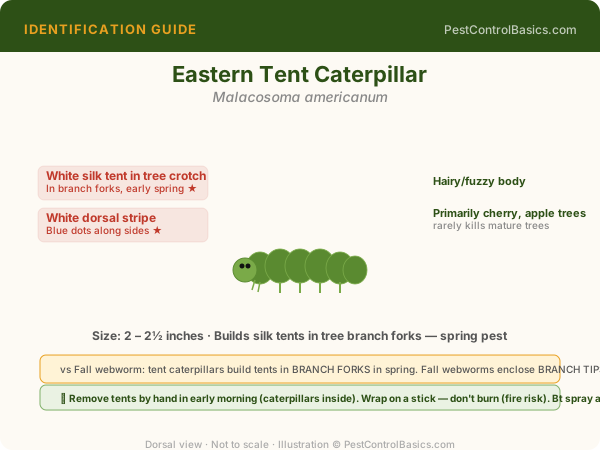
Original illustration by PestControlBasics.com. Use the labeled features above to confirm your identification.
🔍 Identification
Tents: white silk structures built in branch crotches in early spring (March-April) — they grow larger over 4-6 weeks. Caterpillars: 50mm at maturity; black with a white stripe down the back and blue spots along the sides; hairy. Gregarious — hundreds share a tent.
Distinguish from fall webworm: tent caterpillars form tents in branch crotches in spring; fall webworms enclose branch tips in webs in late summer/fall.
🧬 Biology & Behavior
Egg masses overwinter on branches — shiny black, encircling a twig, about 1/2-inch long. Caterpillars hatch in spring and begin building the communal tent immediately. They leave the tent to feed on leaves and return to tent to rest. Pupation occurs after 6 weeks. One generation per year.
⚠️ Damage & Health Risk
Defoliation of ornamental cherry, crabapple, apple, plum, and wild cherry trees. Healthy deciduous trees typically leaf out again after defoliation — this is stressful but rarely fatal. Aesthetic damage is the primary concern.
🔧 DIY Treatment
Small trees: physically remove and destroy tents in early spring (March-April) when caterpillars are still small. Inserting a stick into the tent and twisting to remove the colony, then dropping in soapy water. Bt spray applied to foliage while caterpillars are feeding. Spinosad spray.
👷 When to Call a Pro
For large trees or significant ornamental value, professional Bt or spinosad applications provide better canopy coverage.