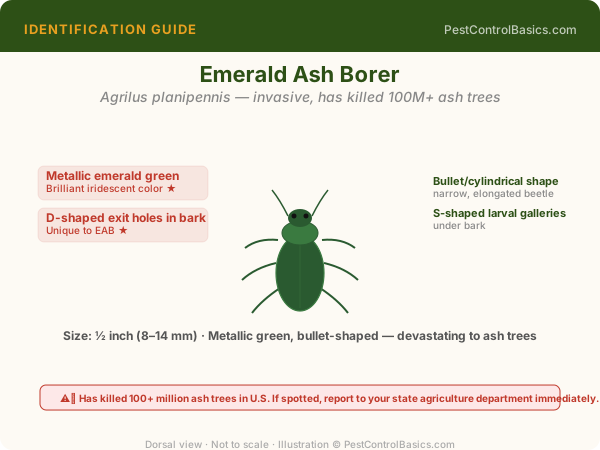
Original illustration by PestControlBasics.com. Use the labeled features above to confirm your identification.
🔍 Identification
Adults: 7.5-13.5mm; brilliant metallic green; narrow, elongated. Adults rarely seen — most damage is done by larvae underneath the bark. Signs of infestation: D-shaped exit holes (7-8mm wide, distinctively D-shaped not round) in bark; 'blonding' (bark being stripped by woodpeckers seeking larvae); serpentine (S-shaped) galleries visible under bark if peeled; crown dieback (top of tree dies first); epicormic sprouts from base or lower trunk.
🧬 Biology & Behavior
Invasive from Asia; arrived in Detroit area in the early 1990s via wood packing material; confirmed 2002. Attacks all native North American ash species (Fraxinus spp.) with 100% mortality in untreated trees within 3-5 years of first infestation. Currently found in 35+ US states and spreading via firewood movement.
⚠️ Damage & Health Risk
Death of ash trees — untreated trees die within 3-5 years of infestation. Large ash trees falling on structures, vehicles, and people create safety hazards. Estimated $10+ billion in economic damage through tree removal, replacement, and ecological impact.
🔧 DIY Treatment
Tree treatment (effective if started before significant crown loss): Emamectin benzoate trunk injection (TREE-äge) by certified arborist — provides 2-3 years protection. Imidacloprid soil drench (Bayer Tree & Shrub) — effective for smaller trees. Dinotefuran trunk spray. Trees with >50% crown loss have poor treatment prognosis — focus resources on healthier trees.
👷 When to Call a Pro
Emerald ash borer treatment requires licensed arborist application (emamectin benzoate is restricted-use). Professional assessment of tree health before treatment investment is essential — don't treat already-dying trees.