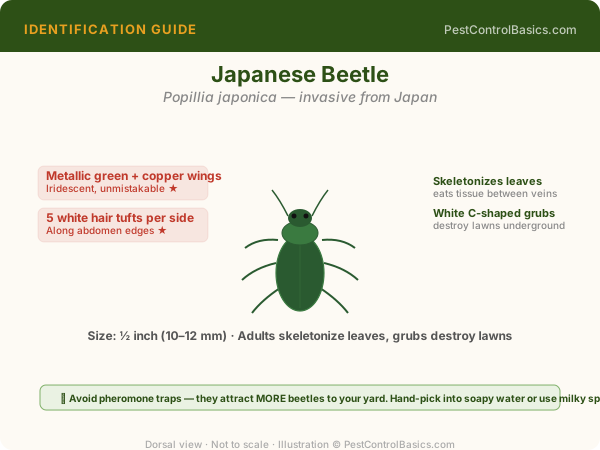
Original illustration by PestControlBasics.com. Use anatomical labels above to confirm your identification.
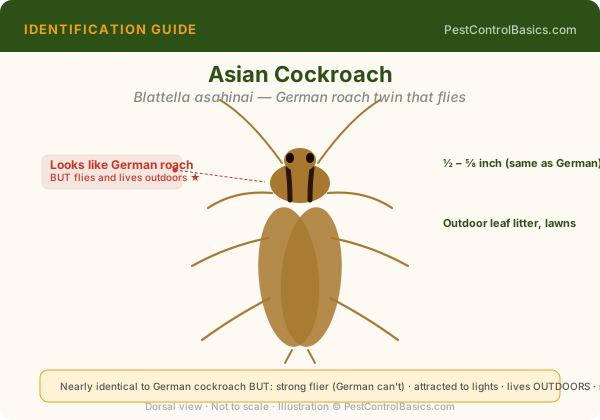
Original illustration by PestControlBasics.com. Use anatomical labels above to confirm your identification.
🔍 Identification
Adults: 20-35mm; glossy jet black with irregular white spots; extremely long banded antennae (often longer than the body); light blue feet. Exit holes: round, 9-11mm diameter (quarter-sized) in bark. Egg sites: oval depressions chewed in bark. Frass (sawdust-like) at base of tree or in bark crevices.
🧬 Biology & Behavior
Invasive from Asia; arrived in US in wood packing material; first detected in Brooklyn, NY in 1996. Has been eradicated from New York, New Jersey, Illinois, and Massachusetts through aggressive tree removal programs costing hundreds of millions of dollars. Current infestations: Worcester County, MA and Ohio. Attacks maples (preferred), birches, elms, horse chestnut, willows, and many other hardwoods.
⚠️ Damage & Health Risk
Tree death within 3-10 years of infestation; potential loss of 30%+ of US urban and suburban tree canopy (estimated $669 billion in tree value at risk); ecosystem disruption; loss of maple syrup industry in affected areas.
🔧 DIY Treatment
YOU CANNOT TREAT ALB — report it immediately. If you find what you think is ALB: photograph it from multiple angles, collect the insect if possible in a sealed container, and immediately contact USDA APHIS (1-866-702-9938) or your state department of agriculture. Every confirmed detection triggers an aggressive government response with compensation for property owners.
👷 When to Call a Pro
Eradication is a government program — there is no professional or DIY treatment option. Report immediately.