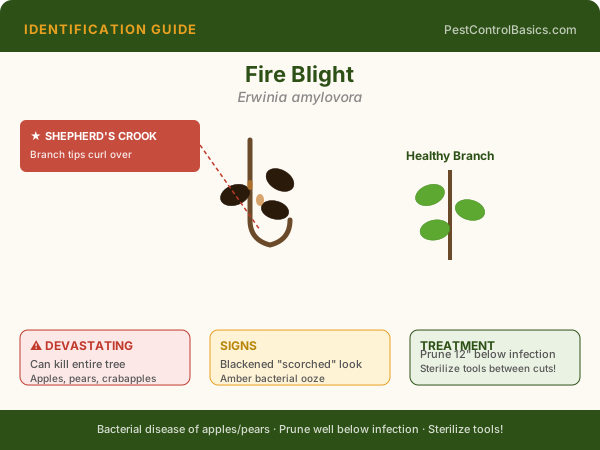
Illustrated identification guide — PestControlBasics.com
🔍 Identification
Adults: 2.5-3mm; orange-brown; resembles a tiny cicada; found on pear leaves and shoots in spring-fall. Nymphs: flat, scale-like; produce copious honeydew. Evidence: sticky honeydew on leaves and fruit; sooty mold on honeydew; characteristic russeting (bronze, rough skin texture) of pear fruit from nymph feeding; fire blight infection following psylla feeding sites.
🧬 Biology & Behavior
Pear psylla overwinters as adults in bark and debris. Emerges in early spring before bloom to lay eggs on flower buds. Multiple generations per year. Its honeydew production is extraordinary — a single nymph produces several times its body weight in honeydew daily. Psylla-infected fire blight spreads when the bacterium (Erwinia amylovora) is vectored by psylla feeding between wounds.
⚠️ Damage & Health Risk
Fruit russeting and quality loss (the primary economic impact); fire blight vectoring; sooty mold; leaf burn from honeydew; tree decline from sustained heavy populations.
🔧 DIY Treatment
Kaolin clay (Surround WP) applied at bud break reduces psylla egg-laying and nymph establishment. Insecticidal soap for nymph control on accessible trees. Systemic imidacloprid — most effective but avoid during bloom (bee exposure). Predatory mite (Anthocoris nemoralis) biological control is used in European pear orchards.
👷 When to Call a Pro
Commercial pear orchards require comprehensive IPM programs combining kaolin clay, targeted insecticides, and copper sprays for fire blight management.