πŸ› Pear Psylla

Cacopsylla pyricola Β· Hemiptera: Psyllidae

Pear psylla is the dominant pest of pear trees in North America β€” its honeydew causes russeting that makes fruit unmarketable, and it vectors fire blight between trees.

PsyllidHemipteraPearFire BlightPsyllidaeFruit Tree
πŸ›
Risk Level
Pear Pest
πŸ”¬
PestControlBasics Editorial Team
Reviewed by Derek Giordano Β· Updated 2026
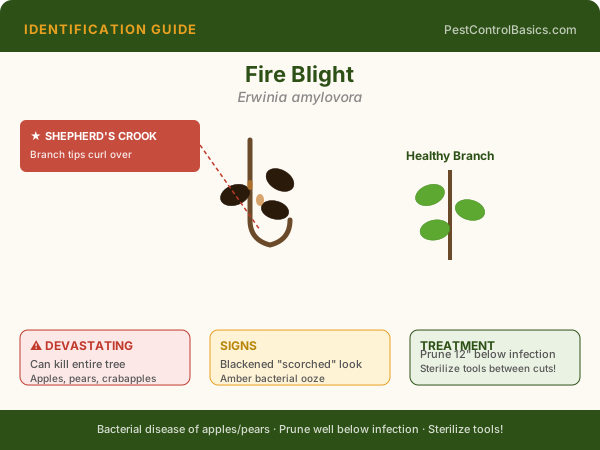
Fire Blight Psylla identification guide illustration

Illustrated identification guide β€” PestControlBasics.com

πŸ” Identification

Adults: 2.5-3mm; orange-brown; resembles a tiny cicada; found on pear leaves and shoots in spring-fall. Nymphs: flat, scale-like; produce copious honeydew. Evidence: sticky honeydew on leaves and fruit; sooty mold on honeydew; characteristic russeting (bronze, rough skin texture) of pear fruit from nymph feeding; fire blight infection following psylla feeding sites.

🧬 Biology & Behavior

Pear psylla overwinters as adults in bark and debris. Emerges in early spring before bloom to lay eggs on flower buds. Multiple generations per year. Its honeydew production is extraordinary β€” a single nymph produces several times its body weight in honeydew daily. Psylla-infected fire blight spreads when the bacterium (Erwinia amylovora) is vectored by psylla feeding between wounds.

⚠️ Damage & Health Risk

Fruit russeting and quality loss (the primary economic impact); fire blight vectoring; sooty mold; leaf burn from honeydew; tree decline from sustained heavy populations.

πŸ”§ DIY Treatment

Kaolin clay (Surround WP) applied at bud break reduces psylla egg-laying and nymph establishment. Insecticidal soap for nymph control on accessible trees. Systemic imidacloprid β€” most effective but avoid during bloom (bee exposure). Predatory mite (Anthocoris nemoralis) biological control is used in European pear orchards.

πŸ‘· When to Call a Pro

Commercial pear orchards require comprehensive IPM programs combining kaolin clay, targeted insecticides, and copper sprays for fire blight management.

❓ FAQ

Is the russeting on my pears from psylla?
Russet (rough, bronze skin texture) on pears is the classic symptom of heavy pear psylla nymph feeding. The honeydew from nymphs on developing fruit causes the skin cells to be damaged, producing the russet pattern. Compare an unaffected fruit from a psylla-free tree β€” the smooth skin difference is dramatic.
Can fire blight spread through psylla feeding?
Yes β€” research has documented psylla as a vector of Erwinia amylovora between feeding sites. Psylla injuries to bark and shoots provide entry points for the bacterium, and the insects may carry bacteria between trees. Managing psylla is therefore important for fire blight management beyond just the direct feeding damage.
🧪 Recommended Treatment Products
Imidacloprid (Systemic) Horticultural Oil Copper Fungicide
Full product guides with mixing rates and safety info. → Browse All 130 Pesticide Guides
🔗 Related Pests
Tomato Blight Pests Boxwood Blight
Compare similar pests to confirm your identification. → Use our ID Flowchart
πŸ“š Sources: EPA Safe Pest Control Β· NPMA Pest Guide
Published: Jan 1, 2025 Β· Updated: Apr 7, 2026

πŸ—ΊοΈ US Distribution β€” Pear Psylla & Fire Blight

image/svg+xml
Common Occasional Not Present
States Present
49
Occasional
2
Primary Region
Continental US
πŸ“Š Source: University extension services, USDA, CDC vector data, and published entomological surveys.