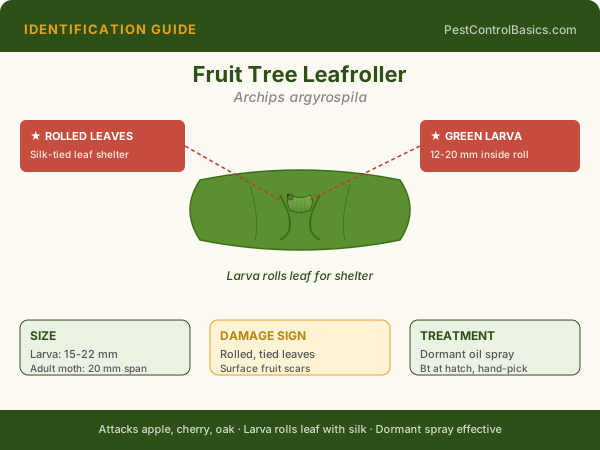
Illustrated identification guide — PestControlBasics.com
🔍 Identification
Fruit Tree Leafroller (A. argyrospila): 20-25mm wingspan; mottled brown and gold. Overwinters as eggs on bark; hatch at bud break; larvae roll and web leaves. Obliquebanded Leafroller (C. rosaceana): Similar size; overwinters as larvae; 2 generations/year. Both attack apple, cherry, pear, walnut, and ornamental trees. Larvae: 15-25mm; pale green-yellow with dark head; wriggle backward rapidly when disturbed.
🧬 Biology & Behavior
Eggs overwinter on bark. Spring hatching larvae immediately begin rolling and webbing leaves for protection. They feed within the shelter, often webbing additional leaves together. Fruit damage occurs when larvae feed in the calyx or shoulder of developing fruit — causing cosmetic damage that renders fruit unmarketable. Second generation (obliquebanded) damages late-season fruit.
⚠️ Damage & Health Risk
Leaf rolling and webbing; fruit surface scarring from larval feeding; cosmetic fruit damage in commercial orchards; ornamental aesthetic damage.
🔧 DIY Treatment
Bt kurstaki spray at egg hatch (timing based on degree-days from Jan 1 biofix). Spinosad spray. Trichogramma egg parasitoid releases. Mating disruption pheromones for commercial orchards. Timing is critical — larvae inside rolled leaves are protected from most sprays.
👷 When to Call a Pro
Commercial orchards use degree-day models to time applications precisely — contact your county extension office for degree-day accumulation data and biofix dates in your area.