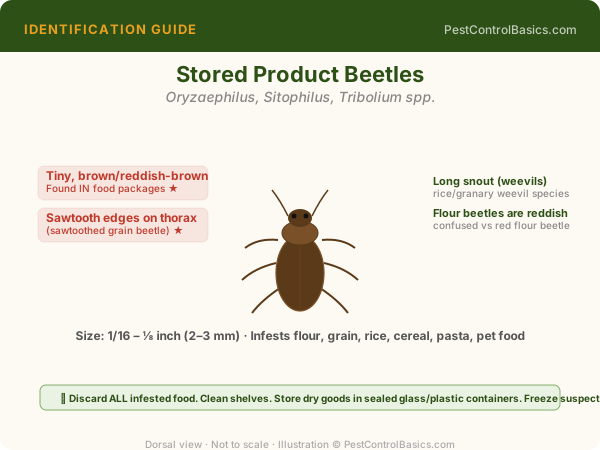
Original illustration by PestControlBasics.com. Use the labeled features above to confirm your identification.
🔍 Identification
Granary Weevil (S. granarius): 3-5mm; dark reddish-brown to black; no spots on wing covers; CANNOT FLY; elongated snout; attacks wheat, barley, rye in cooler climates.
Rice Weevil (S. oryzae): 2.5-3.5mm; reddish-brown; FOUR reddish/orange spots on wing covers; CAN FLY; attacks rice, corn, wheat; most common in warm climates.
Maize Weevil (S. zeamais): Similar to rice weevil but larger (3-4mm) and more distinctly spotted; attacks corn and grain sorghum; most destructive weevil in tropical areas.
🧬 Biology & Behavior
All three: females bore into individual grain kernels, lay one egg per kernel, and seal the hole. Larvae develop completely inside the kernel — development invisible without cutting kernels open. Adults emerge through a round exit hole. Infested grain may look intact while harboring hundreds of developing weevils.
⚠️ Damage & Health Risk
Hollow, ruined grain kernels; adult emergence from stored grain; grain warming from metabolic activity; grain clumping from moisture produced by insect respiration; economic losses in grain storage.
🔧 DIY Treatment
Freeze at 0°F for 4+ days kills all stages. Heat (140°F for 15 minutes) also kills all stages. Store all grain in sealed airtight containers. Diatomaceous earth mixed with grain (approved rates) provides long-term protection. For bulk storage: grain protectants (malathion, pyrethrins) applied at label rates before storage.
👷 When to Call a Pro
For commercial grain elevators, licensed pest management professionals provide Integrated Grain Management programs.