πŸͺ² Stored Grain Weevil Control Guide

Sitophilus oryzae / S. granarius Β· Coleoptera: Curculionidae

Grain weevils are the most destructive stored grain pest worldwide. They hollow out individual kernels from the inside β€” making infested grain look intact until you notice the damage.

Stored GrainWeevilColeopteraCurculionidaeRiceWheat
πŸͺ²
Risk Level
Stored Grain Pest
πŸ“ FIELD GUIDE ILLUSTRATION
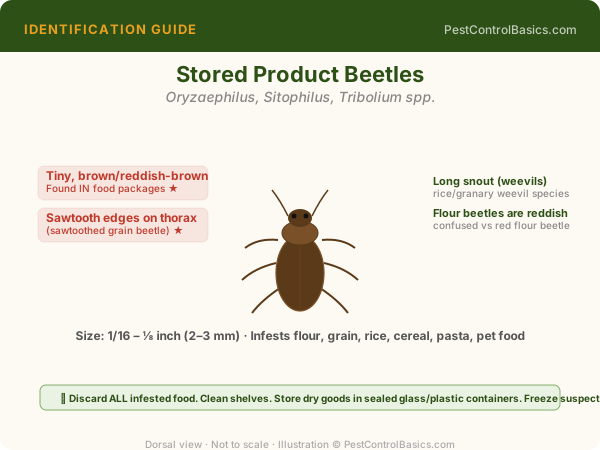
Stored product beetles identification illustration with labeled anatomical features β€” PestControlBasics.com

Original illustration by PestControlBasics.com. Use the labeled features above to confirm your identification.

πŸ”¬
PestControlBasics Editorial Team
Reviewed by Derek Giordano Β· Updated 2026

πŸ” Identification

Rice Weevil (S. oryzae): 2-3mm; reddish-brown with 4 pale spots on wing covers; can fly; infests rice, corn, wheat. Granary Weevil (S. granarius): 2-4mm; darker brown; no spots; cannot fly; infests wheat, rye, oats, barley. Both have the distinctive snout (rostrum) of all weevils β€” the definitive ID feature that distinguishes them from flour beetles.

🧬 Biology & Behavior

Females drill into grain kernels with their rostrum, deposit one egg, and seal the hole. Larvae develop entirely inside β€” egg, larval, and pupal stages all occur inside the kernel. Adults emerge by chewing through the kernel wall. You can spot early infestation by floating grain β€” hollowed kernels float.

⚠️ Damage & Health Risk

Hollow, ruined grain kernels; significant economic losses in stored grain; musty grain odor; flour from infested grain has reduced quality and baking properties. Adults of flying species (rice weevil) spread rapidly to new grain supplies.

πŸ”§ DIY Treatment

Find and discard all infested grain. Freeze clean grain at 0Β°F for 72 hours to kill any undetected eggs or larvae. Transfer ALL grain products to sealed, airtight glass or hard plastic containers. Inspect regularly. Clean shelves thoroughly with white vinegar between uses. For large bulk storage, food-grade diatomaceous earth mixed into grain prevents establishment.

πŸ‘· When to Call a Pro

For grain elevator or commercial storage operations, phosphine fumigation and heat treatment are standard professional options.

❓ FAQ

Can you eat grain with weevils?
Grain with weevils is safe to eat from a toxicity standpoint β€” weevils are not toxic. However, the quality and nutritional value of heavily infested grain is reduced, and most people find the idea unappetizing. Freeze infested grain to kill insects, then use as bird feed or discard.
How do weevils get into sealed packages?
Most grain weevil infestations begin at the farm, elevator, or processing facility. Female weevils lay eggs in grain before it's packaged β€” the infested grain goes into the sealed bag. The first sign of infestation often appears 6-8 weeks after purchase when larvae complete development and adults emerge.

πŸ“š More on This Topic

Related guides and profiles:

πŸ”— πŸͺ² Stored Grain Weevils β€” 3-Species GuideπŸ”— πŸͺ² Rice Weevil
πŸ“š Sources: EPA Safe Pest Control Β· NPMA Pest Guide
Published: Jan 1, 2025 Β· Updated: Apr 7, 2026

πŸ—ΊοΈ US Distribution β€” Grain Weevil Control

image/svg+xml
Common Occasional Not Present
States Present
51
Occasional
0
Primary Region
Anywhere food is stored
πŸ“Š Source: University extension services, USDA, CDC vector data, and published entomological surveys.