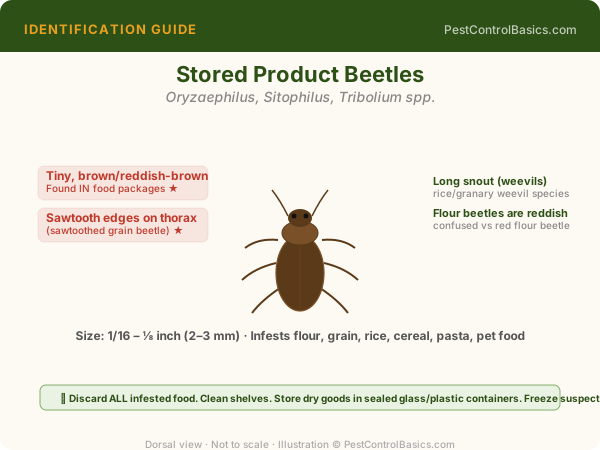
Original illustration by PestControlBasics.com. Use the labeled features above to confirm your identification.
🔍 Identification
Adults: 2.5-4mm; reddish-brown to black; distinctive long snout (rostrum) — the most diagnostic feature; pitted thorax. Found in whole grains: wheat, rice, corn, oats, barley, rye. Different from flour beetles: grain weevils attack whole, intact kernels; flour beetles require already-broken or milled grain. The long snout bores into intact kernels to lay eggs — larvae develop completely inside the kernel, invisible until adult emergence.
🧬 Biology & Behavior
Female grain weevils bore into individual kernels with their snout, deposit a single egg, and seal the hole with a waxy plug. The larva develops through 4 instars inside the kernel over 35 days, consuming the interior before pupating and emerging as an adult through a round exit hole. Adults live 7-8 months and can lay 250+ eggs in a lifetime. Grain with many weevils has been infested for 2-3 months.
⚠️ Damage & Health Risk
Complete destruction of whole grain interiors; economic losses in grain storage and milling; contamination requiring grain disposal; distinctive musty smell in infested grain.
🔧 DIY Treatment
Discard infested grain. Freeze new grain purchases at 0°F for 7 days before storage — kills all life stages including eggs inside kernels. Store all whole grains in airtight metal or hard plastic containers. Inspect stored grain regularly — small brown beetles near grain storage indicate an active infestation.
👷 When to Call a Pro
Large-scale grain storage: phosphine fumigation (licensed) or controlled atmosphere (CO2 or nitrogen) for bulk grain. Insecticide-treated grain (malathion or pirimiphos-methyl) for commercial storage in some applications.