Illustrated identification guide — PestControlBasics.com
🔍 Identification
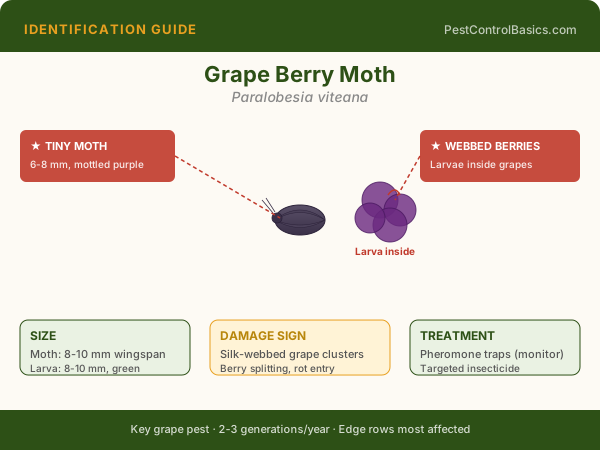
Adults: 6-8mm wingspan; mottled brown and grey — cryptic on bark. Larvae: 10-12mm; pinkish-red; found boring into developing grape berries. Damage: first generation (May-June) attacks flower clusters and shoots; second and third generations attack berries causing the most serious fruit loss. Entry holes in berries allow Botrytis and other rot organisms to colonize.
🧬 Biology & Behavior
Three generations per year in most areas. Pheromone traps provide precise adult flight monitoring. Degree-day accumulation from biofix (first sustained male catch in traps) guides spray timing for each generation. In commercial production, degree-day models integrated with pheromone trap monitoring give 7-10 day advance notice of egg hatch — the target spray window.
⚠️ Damage & Health Risk
Berry damage allowing rot organism entry; internal berry tunneling making fruit unmarketable; significant economic losses in eastern US wine and table grape production.
🔧 DIY Treatment
Pheromone trap monitoring (CP lures) at vineyard perimeter — essential for timing. Spinosad or Bt aizawai spray at egg hatch guided by degree-day models. Mating disruption dispensers (Isomate-G) for vineyard-scale population reduction.
👷 When to Call a Pro
Commercial grape: pheromone monitoring + degree-day program is the standard; consult Cornell or Penn State Cooperative Extension for regional timing guidelines.