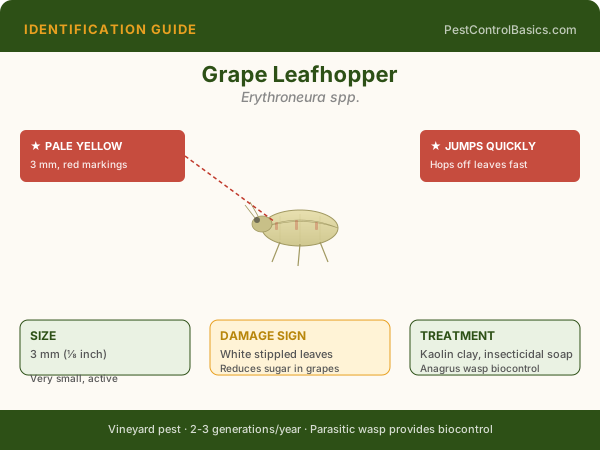
Illustrated identification guide — PestControlBasics.com
🔍 Identification
Adults: 3mm; pale yellow-green to cream with red markings; extremely active — jump and fly rapidly when disturbed. Nymphs: tiny, whitish, move sideways when disturbed. Damage: white stippled flecking on leaf upper surface (feeding punctures visible from above). Frass (tiny black specks) on leaf undersides confirms active feeding.
🧬 Biology & Behavior
Two to three generations per year in most grape-growing areas. Overwinter as adults in leaf litter and woody debris. Emerge in spring, first generation on early growth. Second generation (June-July) is typically the most damaging. Third generation adults are the overwintering cohort.
⚠️ Damage & Health Risk
Stippled, pale, reduced leaves with compromised photosynthesis; reduced vine vigor with repeated severe infestations; fruit quality effects in commercial production; large populations contaminate harvested fruit with live insects and frass.
🔧 DIY Treatment
Monitor with yellow sticky traps from April. Natural enemy preservation (Anagrus wasps parasitize leafhopper eggs) is the foundation of commercial management. Insecticidal soap for early-season nymph control. Pyrethroids for severe infestations. Kaolin clay spray reduces adult feeding and egg-laying.
👷 When to Call a Pro
Commercial vineyards typically follow regional UC Cooperative Extension or WSU Extension guidelines for leafhopper economic thresholds and treatment timing.