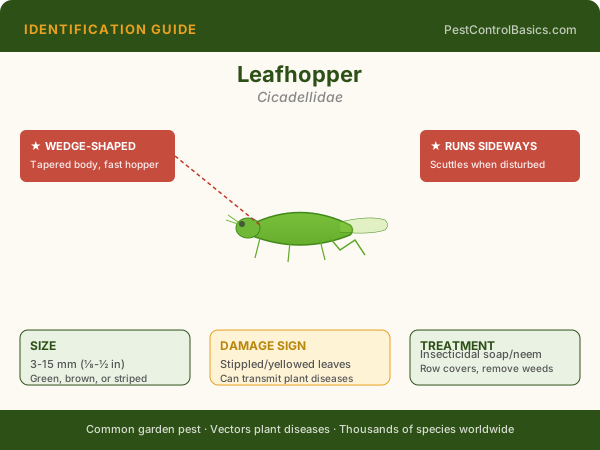
Illustrated identification guide — PestControlBasics.com
🔍 Identification
Wedge-shaped; 3-15mm depending on species; typically green, yellow, or brown; jump instantly when disturbed (hence the name). Move sideways or diagonally when walking. Common species: potato leafhopper (green, 3mm), beet leafhopper (pale green), and sharp-shooter leafhoppers (larger, brightly colored).
🧬 Biology & Behavior
Leafhoppers insert stylet mouthparts into plant phloem and xylem, feeding on plant fluids. Some species inject toxic saliva causing 'hopperburn' — a characteristic brown scorching from leaf margins. As vectors, they transmit viruses and phytoplasmas while feeding.
⚠️ Damage & Health Risk
Stippled, pale, or bleached appearance on leaves; yellow to brown margin scorching (hopperburn); plant stunting; transmitted diseases (aster yellows, curly top virus, Pierce's disease in grapes).
🔧 DIY Treatment
Row covers for vegetables exclude leafhoppers before infestation. Yellow sticky traps for monitoring. Pyrethroid sprays when populations exceed thresholds. Neem oil for organic programs. Kaolin clay (Surround) as a physical barrier on foliage. Systemic neonicotinoids for high-value crops.
👷 When to Call a Pro
Commercial operations with significant leafhopper pressure typically integrate monitoring with economic thresholds and timed applications.