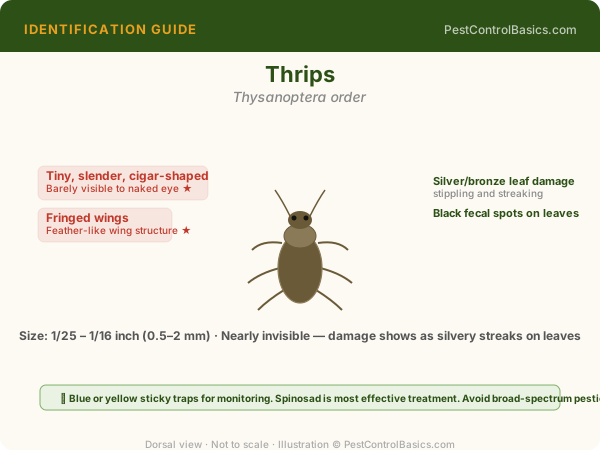
Original illustration by PestControlBasics.com. Use the labeled features above to confirm your identification.
🔍 Identification
Adults: 1-2mm; elongated, slender; fringed wings (unique among insects — feather-like). Yellow to brown, depending on species and age. Barely visible without magnification. Nymphs: translucent to white or yellow, similar shape but wingless. Distinctive diagnostic test: shake a plant over white paper — thrips fall and are visible as moving specks.
🧬 Biology & Behavior
Thrips rasp plant tissue and suck up the cell contents, leaving a characteristic silvery, bronze, or streaked appearance. Western flower thrips is also a major virus vector — transmitting Tomato Spotted Wilt Virus and Impatiens Necrotic Spot Virus to ornamentals and vegetables. Populations build rapidly in hot, dry conditions.
⚠️ Damage & Health Risk
Silver-bronze streaking on leaves; black frass specks on foliage; distorted, curled new growth; petal damage on flowers; in severe infestations, widespread leaf necrosis. Virus damage often more serious than feeding damage.
🔧 DIY Treatment
Blue sticky traps (thrips are more attracted to blue/yellow than to white). Spinosad spray (most effective — contact killer with low resistance risk). Neem oil for light infestations. Systemic imidacloprid for ornamentals where bees won't be affected. Introduce Amblyseius cucumeris predatory mites for greenhouse control.
👷 When to Call a Pro
For commercial greenhouse operations with systemic infestations, professional biological control programs (predatory mites, parasitoid wasps) combined with targeted chemical applications are standard practice.