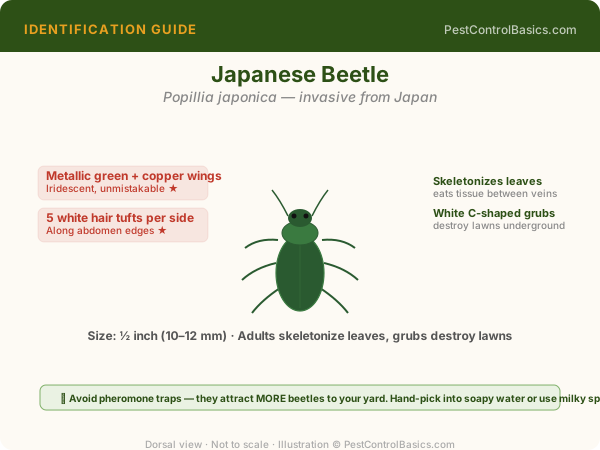
Original illustration by PestControlBasics.com. Use anatomical labels above to confirm your identification.
🔍 Identification
Ground beetles are 5-35mm, typically black or dark brown, with a narrow head, large eyes, and long legs built for speed. Most have grooved elytra (wing covers). They run fast and don't fly much. When handled, some species can pinch with their mandibles or spray a defensive chemical from their abdomen tip.
🧬 Biology & Behavior
Ground beetles are among the most beneficial insects in gardens — they consume soil-dwelling pest larvae, cutworms, and other insects. They're nocturnal hunters that spend days under rocks, logs, and debris. They enter structures accidentally through gaps, attracted by moisture or light.
⚠️ Damage & Health Risk
No structural damage, no fabric damage, no food contamination, no disease risk. Some species can pinch if handled — uncomfortable but not dangerous. The defensive chemical spray of bombardier beetles (Brachinus spp.) causes brief burning but is harmless.
🔧 DIY Treatment
Exclusion: Seal gaps under exterior doors. Repair window screens. Seal foundation gaps. This is all that's needed for occasional invaders.
Reduce harborage: Move mulch, woodpiles, and debris away from the foundation — ground beetles shelter under these during the day.
Light reduction: Reduce exterior lighting that attracts ground beetles at night.
👷 When to Call a Pro
Almost never warranted. Ground beetles are beneficial and self-limiting indoors — they don't establish breeding populations inside structures. Manual removal is sufficient for the occasional invader.