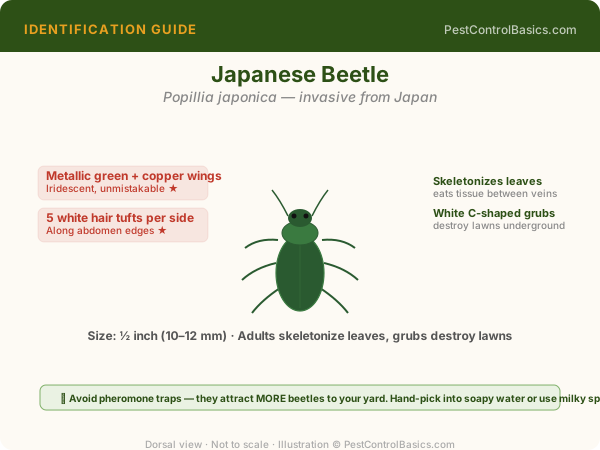
Original illustration by PestControlBasics.com. Use anatomical labels above to confirm your identification.
🔍 Identification
Adults: variable 5-35mm; most are shiny black to dark metallic blue or green; fast-running; flattened oval body; long legs; found under rocks, logs, and mulch during daytime. Over 2,000 North American species in family Carabidae. The large black beetles found under bricks and stepping stones in gardens are almost certainly ground beetles.
🧬 Biology & Behavior
Ground beetles are voracious generalist predators: they hunt slugs, cutworms, aphid eggs, fly pupae, Colorado potato beetle eggs, and many other soil and surface pests. They're primarily nocturnal. Some species can consume 50+ aphids per day. Others specialize in tracking and consuming slugs through chemical trails. They're thermophilic — most active when soil is warm.
⚠️ Damage & Health Risk
Zero. Ground beetles cause no damage to plants, structures, or food. They're entirely beneficial. Finding them in your garden is excellent news.
🔧 DIY Treatment
Support ground beetle populations: maintain permanent ground covers and mulch (provides daytime shelter); avoid soil disturbance (it destroys pupal chambers); eliminate broad-spectrum insecticide applications (kills ground beetles and their prey simultaneously); leave some dead wood and debris at garden edges as harborage.
👷 When to Call a Pro
Never warranted — ground beetles should be actively protected and encouraged.