🐿️ Ground Squirrel

Spermophilus / Otospermophilus spp. · Rodentia: Sciuridae

Ground squirrels are significant landscape pests — but in parts of California, Colorado, New Mexico, and other western states, they host plague-infected fleas. Never handle dead ground squirrels.

Ground SquirrelPlagueWestern USFleaDisease VectorBurrowing
🐿️
Risk Level
Western US Pest + Disease Vector
📐 FIELD GUIDE ILLUSTRATION
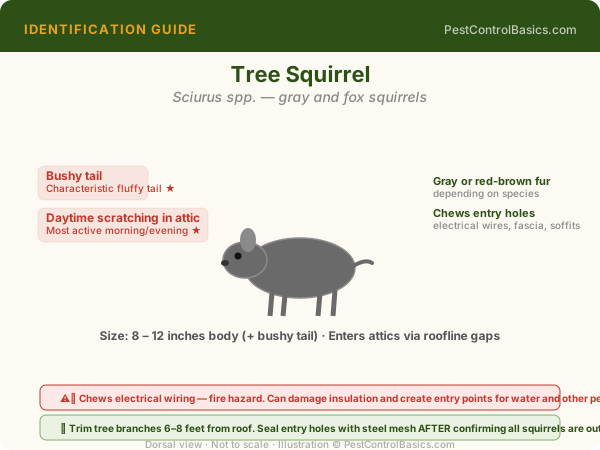
Tree squirrel (Sciurus spp.) identification illustration with labeled anatomical features — PestControlBasics.com

Original illustration by PestControlBasics.com. Use the labeled features above to confirm your identification.

🔬
PestControlBasics Editorial Team
Reviewed by Derek Giordano · Updated 2026

🔍 Identification

Adults: 200-450g; brown-grey; speckled; short ears (vs tree squirrel's large ears); run with tail held low (vs tree squirrel's tail arched over back). Burrow systems: multiple entrances; mounds of loose soil. Found in: lawns, pastures, roadsides, and wild margins throughout the western US. Different from eastern gray squirrels — these are ground-dwelling, burrowing rodents.

🧬 Biology & Behavior

Ground squirrels are the primary wildlife reservoir for bubonic plague (Yersinia pestis) in the western US. Periodically, plague kills off ground squirrel colonies — sudden die-offs in ground squirrel populations should be reported to your state wildlife agency. Fleas leave dying squirrels and seek new hosts — including humans and pets. Do not handle dead ground squirrels anywhere in the West; in endemic areas, keep pets treated with flea prevention year-round.

⚠️ Damage & Health Risk

Burrowing damage to lawns and structures; tripping hazard from burrow openings; crop damage; plague transmission risk in endemic areas; secondary wildlife predator attraction.

🔧 DIY Treatment

Snap traps and body-grip traps (Conibear) in active burrow entrances. Zinc phosphide grain bait placed in burrows (follow label). Burrow fumigation with aluminum phosphide (restricted use, professional only). Exclusion fencing in small areas. Never use rodenticides near raptor activity — raptors provide significant natural control and are vulnerable to secondary poisoning.

👷 When to Call a Pro

Aluminum phosphide fumigation by licensed applicator for large-scale infestations. Report mass die-offs to state wildlife department.

❓ FAQ

Is bubonic plague still a risk in the US?
Yes — bubonic plague is an endemic zoonotic disease in the western United States. The CDC reports approximately 7 human cases per year on average, mostly in New Mexico, Colorado, California, and Arizona. Most cases result from contact with infected fleas from ground squirrels or prairie dogs, or from bites from infected rodents. Modern antibiotics effectively treat bubonic plague when diagnosed promptly.
How do I know if ground squirrels in my area have plague?
Contact your county health department or state wildlife agency — they actively monitor plague in wildlife. Signs of plague in local ground squirrel populations: sudden disappearance of previously active colony or large numbers of dead squirrels. These die-offs are plague events — report them and avoid the area. Flea activity increases dramatically as infected squirrels die.
📚 Sources: CDC Rodent Control · EPA Rodenticide Safety
Published: Jan 1, 2025 · Updated: Apr 7, 2026

🗺️ US Distribution — Ground Squirrel

image/svg+xml
Common Occasional Not Present
States Present
49
Occasional
2
Primary Region
Continental US
📊 Source: University extension services, USDA, CDC vector data, and published entomological surveys.