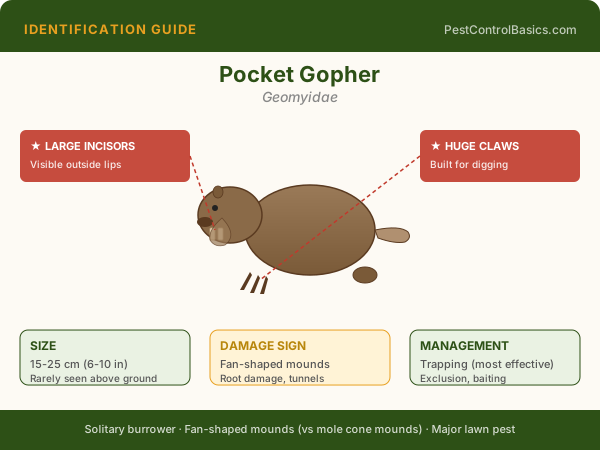
Illustrated identification guide — PestControlBasics.com
🔍 Identification Photo
Use this photo to confirm your identification. Click to enlarge. Correct ID is the essential first step to effective treatment.
Pocket gopher (Geomyidae) — large fur-lined cheek pouches, large front claws; creates crescent-shaped mounds with a plugged side entry hole
📷 Wikipedia / Wikimedia Commons / CC BY-SA⚠️ Photo loaded live from Wikipedia/Wikimedia Commons (CC BY-SA). Appearance varies by region, age, and sex. When uncertain, contact a licensed pest professional.
Crescent mound — the definitive sign
Pocket gopher mounds are the most reliable identification feature. They are fan-shaped or crescent-shaped, with the plugged entrance hole offset to one side of the mound — not centered. The soil pushed up is looser and finer than mole mounds.
Compare: mole mounds are volcano-shaped with a small, centered hole at the top (like a tiny volcano crater). Gopher mounds are asymmetrical crescents with the plug off to one side.
The plug: After pushing soil to the surface, pocket gophers seal the entrance with a soil plug. This plug is the key — follow the direction it faces (the "fat" side of the crescent) approximately 6–12 inches to find the main lateral tunnel below.
Plant evidence: Plants disappearing from the soil — pulled down as if by magic, leaving just the root crown — is the other definitive gopher sign. They grab roots from below and pull the entire plant into their tunnel system.
Trapping and hardware cloth exclusion
Finding the main tunnel: From a fresh mound, probe the soil 6–12 inches in the direction the plug faces (toward the "fat" side of the crescent). You'll feel the probe drop into the tunnel cavity. This is the main lateral tunnel — not a small side branch.
Macabee trap placement: Excavate enough to place two Macabee traps in the tunnel facing opposite directions. Tie a wire or string to each trap so you can retrieve it. Cover the opening with a board to block light. Check every 24–48 hours.
Hardware cloth garden exclusion: For vegetable gardens and flower beds, lay 1/2-inch hardware cloth 2 feet deep under the bed, with a 6-inch horizontal flange extending outward at the bottom of the trench. This physically prevents gopher access from below. Raised beds lined with hardware cloth on the bottom provide permanent gopher-proof garden beds.
Tree protection: Wrap root balls of transplants with hardware cloth baskets before planting in gopher-active areas. Young fruit trees are especially vulnerable in the first 1–2 years.