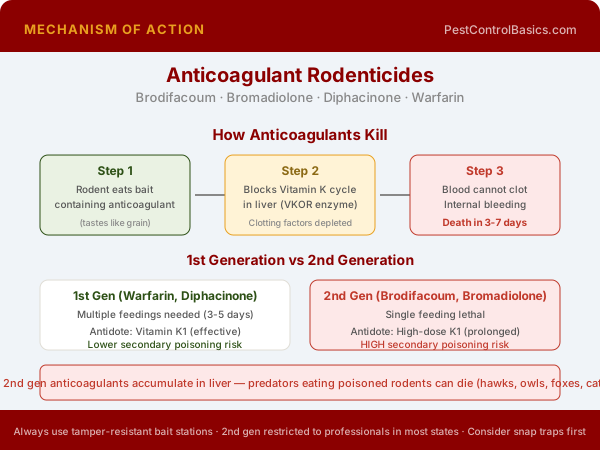
How rodenticide anticoagulant works — illustrated mechanism of action
Not all rodenticides are the same. The four main types - anticoagulants, bromethalin, zinc phosphide, and cholecalciferol - have dramatically different speeds, mechanisms, secondary poisoning risks, and antidote availability. Choosing the wrong one can endanger pets, wildlife, and children.
How rodenticide anticoagulant works — illustrated mechanism of action
Rats and mice. Some products also labeled for voles, gophers, and ground squirrels depending on formulation.
See individual product pages for specific brands. This guide helps you choose which TYPE to use.
The complete comparison:
| Factor | 1st Gen Anticoagulant | 2nd Gen Anticoagulant | Bromethalin | Zinc Phosphide | Cholecalciferol |
|---|---|---|---|---|---|
| Examples | Warfarin, chlorophacinone | Brodifacoum, bromadiolone | Fastrac, Talpirid | ZP Bait, Eraze | Terad3 Blox |
| Speed of kill | 4-7 days | 3-5 days | 1-3 days | 4-12 hours | 3-4 days |
| Feeds needed | Multiple (3-5 days) | Single feed lethal | Single feed lethal | Single feed lethal | Multiple (2-3 days) |
| Antidote | Vitamin K1 (effective) | Vitamin K1 (high dose, prolonged) | None | None | None (supportive care only) |
| Secondary poisoning risk | Moderate | HIGH (major wildlife concern) | Low to moderate | Very low | Low |
| Bait shyness | No | No | No | Yes (major issue) | No |
| EPA residential restrictions | Few | Restricted (pro-only for most) | Few | Few | Few |
When to use what:
Near wildlife/raptors: Zinc phosphide or cholecalciferol - lowest secondary poisoning risk. Critical in areas with owls, hawks, or endangered predators.
Near pets with vet access: First-generation anticoagulants (warfarin, chlorophacinone) - Vitamin K1 antidote is effective and readily available. Multiple feedings required reduces accidental pet poisoning severity.
Fast kill needed: Bromethalin (fastest) or zinc phosphide. Both are single-feed lethal with no antidote, so bait station security is critical.
Professional use: Second-generation anticoagulants (brodifacoum, bromadiolone) remain the professional standard for severe infestations despite wildlife concerns. EPA has restricted most 2nd-gen products to professional use only.
Our recommendation for homeowners: Start with snap traps - they are the safest, most effective, and most humane option for most home rodent situations. Rodenticides should be a last resort after trapping has been tried. If bait is necessary, use tamper-resistant stations with first-gen anticoagulants or bromethalin, and check stations regularly.
Related guides: Brodifacoum | Bromadiolone | Bromethalin | Zinc Phosphide | Cholecalciferol | Diphacinone