🐺 Urban Coyote

Canis latrans Β· Carnivora: Canidae

Coyotes now live in every major US city. Understanding what attracts them to residential areas β€” and what keeps them away β€” is the key to coexistence.

WildlifeCoyoteUrbanPet SafetyAttractantsCanidae
🐺
Risk Level
Urban Wildlife Concern
πŸ”¬
PestControlBasics Editorial Team
Reviewed by Derek Giordano Β· Updated 2026
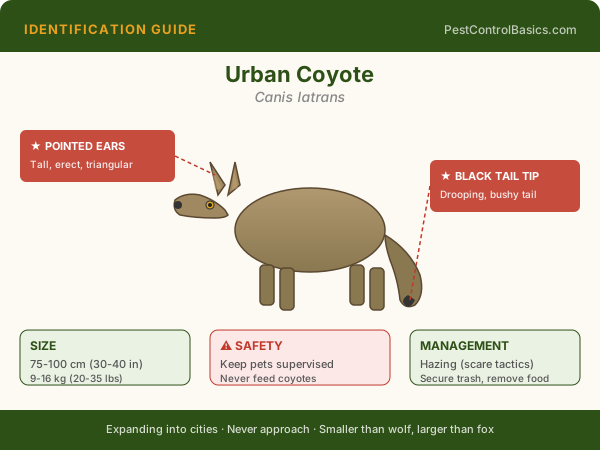
Coyote Urban identification guide illustration

Illustrated identification guide β€” PestControlBasics.com

πŸ” Identification

Coyotes in urban areas: 7-30 lbs; dog-like but with a bushier tail that hangs down while running (dogs carry tail up); narrower snout; pointy ears. Active at dawn, dusk, and increasingly during daytime in urban areas. Found in every US state including Hawaii. Highly adaptable β€” have thrived in spite of, or because of, human settlement.

🧬 Biology & Behavior

Urban coyotes are primarily feeding on easily available food: unsecured garbage, fallen fruit, rodents, cats, small dogs, and free-range pets. They're also remarkably tolerant of human presence. Coyote attacks on humans are extremely rare but attacks on pets are documented and increasing. Hazing programs (making coyotes afraid of humans) are recommended by wildlife managers.

⚠️ Damage & Health Risk

Pet predation (small dogs and cats); psychological concern for homeowners; potential livestock impact in peri-urban settings; rare but documented aggression toward humans (almost always involves prior food conditioning).

πŸ”§ DIY Treatment

Remove food attractants: secure garbage, remove fallen fruit, stop feeding wildlife. Keep pets indoors at night. Use motion-activated lights and sprinklers. Never feed coyotes. Haze any coyote that approaches without fear β€” yell, wave arms, throw objects near (not at) them. Report all bold/aggressive behavior to animal control.

πŸ‘· When to Call a Pro

Wildlife control professionals and state wildlife agencies handle problem coyote situations. Lethal removal of individual coyotes is generally ineffective without removing the attractants β€” replacement by other coyotes occurs rapidly.

❓ FAQ

Are urban coyotes dangerous?
Coyote attacks on humans are rare β€” less than 500 verified attacks in recorded US history, almost always involving food-conditioned individuals. Attacks on pets are much more common. The main concern is small pets outdoors at night. Hazing β€” acting aggressively toward approaching coyotes β€” maintains their wariness of humans and is the recommended response.
Will coyote repellent products work?
Most commercial repellents have limited effectiveness against coyotes. Removing food attractants is far more effective than any repellent product. Motion-activated deterrents (sprinklers, lights, noise devices) provide temporary deterrence but coyotes habituate to stationary deterrents.

πŸ—ΊοΈ Geographic Range & Distribution

FactorDetails
U.S. RangeAll or most U.S. states
Regional DetailDistribution varies β€” consult your local extension service for regional prevalence data.

πŸ“… Treatment Timing Guide

Treating at the right time dramatically improves results. Pest control timed to the life cycle uses less product and achieves better long-term control.

PeriodAction
SpringInspection and perimeter treatment before pest season starts.
SummerActive monitoring and targeted treatments as needed.
FallPreventive treatment before overwintering pests seek entry.

πŸ’° Professional Treatment Costs

Service TypeDIY CostProfessional Cost
Initial inspectionFree (self-inspect)$75–$150 (often credited to treatment)
One-time treatment$30–$100 in materials$150–$500
Annual service contractN/A$400–$900/year
Severe infestationOften ineffective alone$500–$2,500+

Prices vary by region, property size, and infestation severity.

❓ Common Questions About 🐺 Urban Coyote

How do I confirm I actually have this pest (not something similar)?
The most reliable confirmation is a physical specimen β€” capture one and compare to reference images on this page. For cryptic pests (bed bugs, termites), look for secondary signs: frass, shed skins, mud tubes, or bites with a specific pattern. When uncertain, a professional inspection is faster than months of misidentification.
Can I treat this myself or do I need a professional?
DIY is effective for small, accessible infestations caught early. Professionals are worth the cost when: the infestation is inside wall voids or structural elements, multiple rooms are affected, you have health-risk pests (hantavirus, venomous species), or DIY has already failed twice.
How long until the infestation is completely gone?
Expect 3–8 weeks for most infestations with proper treatment. Insects with dormant life stages (pupae, eggs) extend the timeline because those stages are impervious to most insecticides. Follow-up treatments at 2 and 4 weeks catch each new cohort as they emerge.
What's the most common mistake people make treating this pest?
Treating only the visible pest population while ignoring the harborage site, entry point, or breeding location. Killing adults provides temporary relief but the population rebuilds from hidden egg cases, pupae, or new arrivals through unaddressed entry points.
πŸ“š Sources: EPA Termite Guide Β· NPMA Termite Info
Published: Jan 1, 2025 Β· Updated: Apr 7, 2026

πŸ—ΊοΈ US Distribution β€” Coyote Urban Encounters

image/svg+xml
Common Occasional Not Present
States Present
49
Occasional
2
Primary Region
Continental US
πŸ“Š Source: University extension services, USDA, CDC vector data, and published entomological surveys.