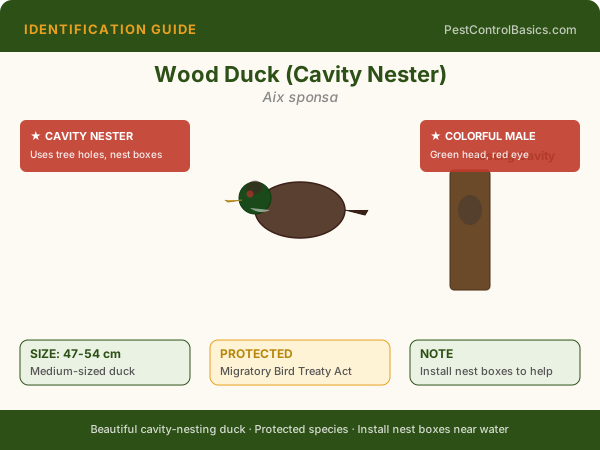
Illustrated identification guide — PestControlBasics.com
🔍 Identification
Woodpecker damage: round or oval holes, often in patterns, in wooden siding, fascia, or structural beams. Active drumming (territorial, not foraging) vs. foraging holes (irregular, searching for insects). Most woodpecker damage occurs in cedar and redwood siding. Starlings: nesting in dryer vents, bathroom exhaust vents, and attic vents creates fire hazard from nesting material and disease risk (histoplasmosis from droppings).
🧬 Biology & Behavior
All native woodpecker species are protected under the Migratory Bird Treaty Act — removal, trapping, or killing requires federal permit. European starlings are NOT protected (non-native) and may be removed without permit. This legal distinction is critical for determining your control options.
⚠️ Damage & Health Risk
Woodpeckers: expensive structural damage to siding; repeated drilling once established; territorial drumming noise. Starlings: fire hazard from nesting in dryer vents; accumulation of droppings with histoplasmosis risk; blocking ventilation; noise.
🔧 DIY Treatment
Woodpeckers: visual deterrents (reflective tape, owl decoys — limited effectiveness); hardware cloth exclusion over affected areas; addressing underlying insect infestation if foraging. Starlings: install vent covers with proper mesh immediately after nest is vacated. Never block vents with active nests — young birds in nest.
👷 When to Call a Pro
For persistent woodpecker damage, bird exclusion netting installed by a licensed wildlife professional provides effective protection without harming the birds.