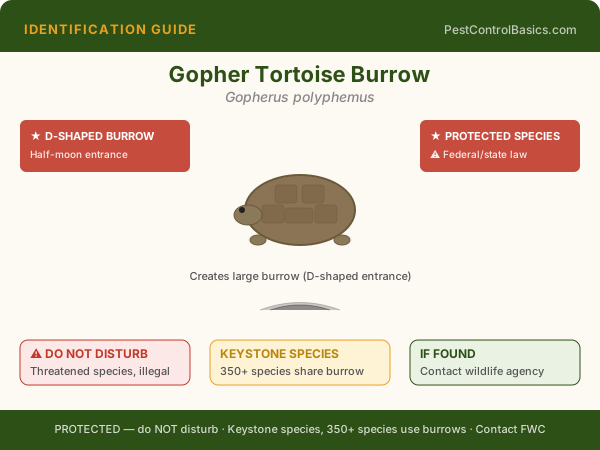
Illustrated identification guide — PestControlBasics.com
🔍 Identification
Pocket gopher: 12-20cm; brown; robust; large claws; external fur-lined cheek pouches (the 'pocket'); nearly blind; built for underground life. Evidence: horseshoe or fan-shaped mounds of dirt (the plug side indicates the direction of the main tunnel); no open hole visible (closed off after use — distinguishing from ground squirrel burrows which are open). Active year-round underground.
🧬 Biology & Behavior
Pocket gophers create elaborate tunnel systems 6-18 inches deep with a main tunnel, lateral feeding tunnels, and a deep nest chamber. They eat plant roots, bulbs, and any underground vegetable part — a single gopher can eat from dozens of plants without ever appearing above ground. Gophers are solitary and territorial — usually one gopher per tunnel system. Population explosions follow wet years that improve vegetation.
⚠️ Damage & Health Risk
Destruction of lawns (grass dies in irregular patches as roots are consumed); complete loss of vegetable root crops; destruction of ornamental plantings and garden vegetables; damage to irrigation lines; undermining of walkways and patios.
🔧 DIY Treatment
Macabee traps (most effective): set in pairs in the main tunnel run; place within 12 inches of the freshest mound in the downward direction from the plug. Zinc phosphide grain bait placed in open tunnel (follow label carefully). Hardware cloth underground barriers (24 inches deep, bent outward) protect specific garden beds.
👷 When to Call a Pro
For large properties with severe gopher pressure: licensed applicators using aluminum phosphide fumigation provide rapid and thorough control of tunnel systems.