🦦 Muskrat

Ondatra zibethicus Β· Rodentia: Cricetidae

Muskrats are one of the most commonly trapped mammals in North America for good reason β€” their burrowing into pond banks can drain ponds and destroy bank integrity.

WildlifeMuskratAquaticPond DamageRodentTrapping
🦦
Risk Level
Aquatic Structural Damage
πŸ”¬
PestControlBasics Editorial Team
Reviewed by Derek Giordano Β· Updated 2026
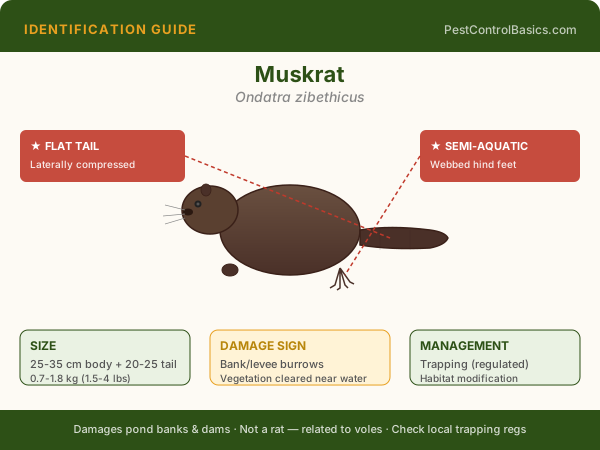
Muskrat identification guide illustration

Illustrated identification guide β€” PestControlBasics.com

πŸ” Identification

30-60cm; dense brown fur; laterally flattened tail; semi-aquatic; found in ponds, marshes, streams, and drainage ditches. Builds floating lodge structures from aquatic vegetation or burrows into earth banks. Sign of muskrat presence: vegetation 'feeding platforms' of cut plant material; lodge structures; holes in pond banks at or below water level.

🧬 Biology & Behavior

Muskrats are important wetland ecosystem engineers β€” their lodge-building and channel maintenance activities support wetland ecology. However, their bank-burrowing behavior is incompatible with maintained ponds, fish farms, irrigation systems, and water retention structures. They're most abundant where aquatic vegetation is abundant.

⚠️ Damage & Health Risk

Burrowing into pond banks can drain ponds and cause bank collapse; damage to irrigation infrastructure; undermining of levees and dam structures; crop damage in fields adjacent to wetlands; competition with native muskrat populations in some regions.

πŸ”§ DIY Treatment

Live or lethal trapping (Conibear 110 body grip trap is the most common method; check state regulations). Bank protection with riprap or hardware cloth at water level. Reduce aquatic vegetation that supports large populations. Contact your state fish and wildlife agency for regulations before trapping.

πŸ‘· When to Call a Pro

USDA Wildlife Services and licensed wildlife damage management specialists provide professional assessment and management for significant muskrat damage situations.

❓ FAQ

How do I know if muskrats are burrowing in my pond bank?
Look for holes at or slightly below the waterline on the inner bank of your pond. Holes are 4-6 inches in diameter. Freshly excavated mud around the hole confirms recent activity. Feeding platforms (piles of cut vegetation) floating or on shore also indicate muskrats.
Is muskrat trapping legal?
Muskrats are furbearers regulated by state fish and wildlife agencies. Trapping is generally legal during specified seasons in most states. Check your state regulations for season dates, allowable trap types, and daily bag limits before trapping.

πŸ—ΊοΈ Geographic Range & Distribution

FactorDetails
U.S. RangeAll 50 states
Regional DetailNorway rat: nationwide in urban areas. Roof rat: Southeast, Gulf Coast, Pacific Coast. Most active fall through spring.

πŸ“… Treatment Timing Guide

Treating at the right time dramatically improves results. Pest control timed to the life cycle uses less product and achieves better long-term control.

PeriodAction
SpringInspection and perimeter treatment before pest season starts.
SummerActive monitoring and targeted treatments as needed.
FallPreventive treatment before overwintering pests seek entry.

πŸ’° Professional Treatment Costs

Service TypeDIY CostProfessional Cost
Initial inspectionFree (self-inspect)$75–$150 (often credited to treatment)
One-time treatment$30–$100 in materials$150–$500
Annual service contractN/A$400–$900/year
Severe infestationOften ineffective alone$500–$2,500+

Prices vary by region, property size, and infestation severity.

❓ Common Questions About 🦦 Muskrat

How do I confirm I actually have this pest (not something similar)?
The most reliable confirmation is a physical specimen β€” capture one and compare to reference images on this page. For cryptic pests (bed bugs, termites), look for secondary signs: frass, shed skins, mud tubes, or bites with a specific pattern. When uncertain, a professional inspection is faster than months of misidentification.
Can I treat this myself or do I need a professional?
DIY is effective for small, accessible infestations caught early. Professionals are worth the cost when: the infestation is inside wall voids or structural elements, multiple rooms are affected, you have health-risk pests (hantavirus, venomous species), or DIY has already failed twice.
How long until the infestation is completely gone?
Expect 3–8 weeks for most infestations with proper treatment. Insects with dormant life stages (pupae, eggs) extend the timeline because those stages are impervious to most insecticides. Follow-up treatments at 2 and 4 weeks catch each new cohort as they emerge.
What's the most common mistake people make treating this pest?
Treating only the visible pest population while ignoring the harborage site, entry point, or breeding location. Killing adults provides temporary relief but the population rebuilds from hidden egg cases, pupae, or new arrivals through unaddressed entry points.
πŸ“š Sources: CDC Rodent Control Β· EPA Rodenticide Safety
Published: Jan 1, 2025 Β· Updated: Apr 7, 2026

πŸ—ΊοΈ US Distribution β€” Muskrat

image/svg+xml
Common Occasional Not Present
States Present
51
Occasional
0
Primary Region
All 50 states (indoor pest)
πŸ“Š Source: University extension services, USDA, CDC vector data, and published entomological surveys.