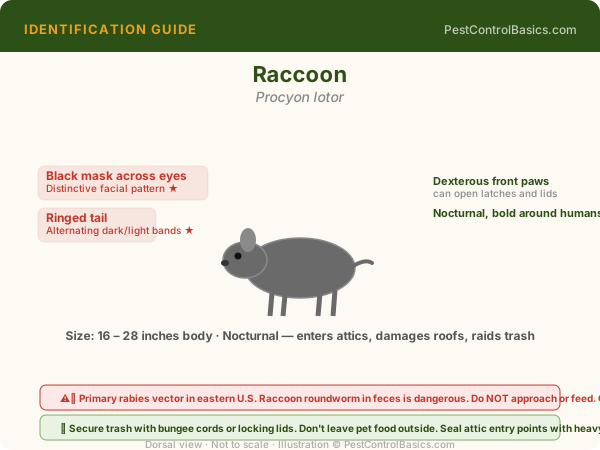
Original illustration by PestControlBasics.com. Use anatomical labels above to confirm your identification.
🔍 Identification
Adults: 7-20 lbs; distinctive black facial mask and ringed tail. Excellent problem-solvers — open latches, tip garbage containers, and remember solutions. Primarily nocturnal. Excellent climbers. Found throughout the continental US in any habitat with water nearby. Becoming increasingly bold in suburban and urban areas.
🧬 Biology & Behavior
Raccoons in attics: females seek attics as den sites for raising young in spring (February-June). They tear open weak points — damaged fascia, soffit, roof vents, and any gap they can enlarge. A raccoon-made entry hole is 4-6 inches in diameter. They're much stronger than their size suggests — they can rip off aluminum fascia and tear through plywood.
⚠️ Damage & Health Risk
Structural damage to roof and attic; contamination with raccoon roundworm (Baylisascaris procyonis) in feces — a serious human health risk; rabies vector; leptospirosis; noise disturbance; crop and garden damage.
🔧 DIY Treatment
Secure garbage cans with bungee cords or weighted lids. Use metal garbage containers (raccoons can open most plastic lids). Remove food sources including pet food left outdoors. Hardware cloth reinforcement on potential entry points (use 16-gauge hardware cloth minimum — they tear through lighter material). Chimney caps. Motion-activated lights and sprinklers provide short-term deterrence.
👷 When to Call a Pro
Raccoon removal from attics requires a licensed wildlife control operator in most states. Trapping and relocation regulations vary significantly by state. Never handle raccoon feces without N95 and gloves — Baylisascaris eggs are infectious by inhalation.