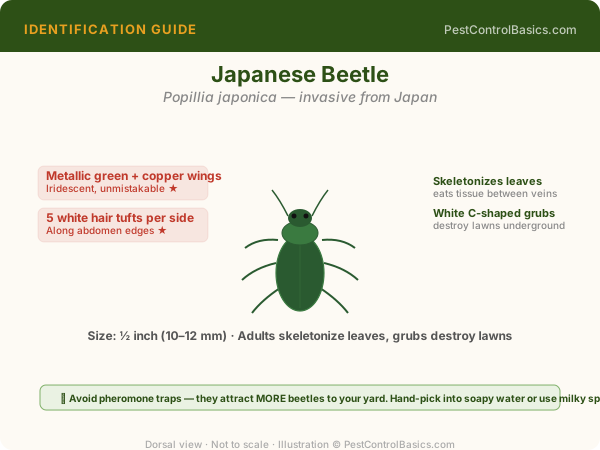
Original illustration by PestControlBasics.com. Use anatomical labels above to confirm your identification.
🔍 Identification
Hide Beetle (D. maculatus): 6-10mm; black with pale hair patches on underside; larvae: dark with alternating pale/dark banding, long tail hairs. Found in dried animal products — taxidermy, hides, dried meat, dried fish, feather pillows.
Larder Beetle (D. lardarius): 6-9mm; black with pale band containing 6 black spots across middle of wing covers. Found in pantry products, dried meat, cheese, pet food.
🧬 Biology & Behavior
Dermestid larvae are the damaging stage — adults feed little. Larvae feed on dried protein: wool, hides, feathers, dried meat, cheese, dog food, and museum specimens. They're used commercially to clean bones. Larvae bore into wood to pupate — a distinctive behavior that causes additional structural-looking damage in wooden cabinets.
⚠️ Damage & Health Risk
Damage to taxidermy, mounted specimens, and hides; fabric damage (wool, silk, leather); dried food contamination; larval boring into wood (pupation behavior); museum collection damage.
🔧 DIY Treatment
Inspect and isolate all suspected sources. Freeze affected items (0°F, 72 hours). Vacuum thoroughly, especially behind furniture and in dark corners. Permethrin spray to shelving and storage areas. Seal all dried protein products. For taxidermy: regular inspection and protective mounting sprays.
👷 When to Call a Pro
Museum collections use integrated pest management programs combining environmental monitoring, freezing, and careful containment to protect specimens.