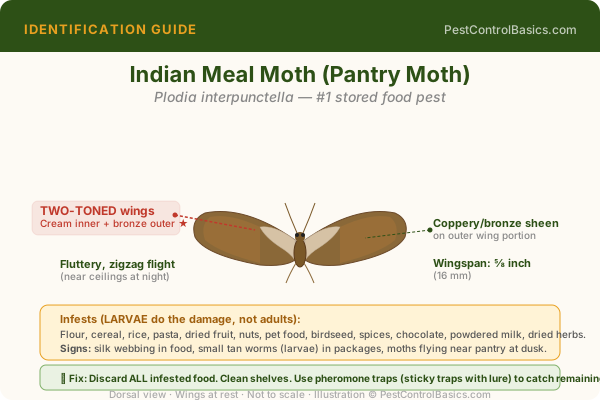
Original illustration by PestControlBasics.com. Use anatomical labels above to confirm your identification.
🔍 Identification
Adults: 14-20mm wingspan; distinctive two-tone wings — cream-white at base, reddish-brown with copper sheen at tips. This wing pattern is diagnostic and unique among common pantry moths. Larvae: cream-colored with brown head; up to 16mm; spin silken webbing inside infested food — the webbing is often the first sign. Found flying erratically near the ceiling at night.
🧬 Biology & Behavior
Female lays 100-300 eggs directly on food. Larvae feed for 2-8 weeks depending on temperature. Pupation occurs outside the food — in cracks, under shelf paper, behind containers. This is the most-missed part of the life cycle: larvae travel significant distances from infested food to pupate, meaning cocoons can be found in corners, under shelves, and behind pantry walls far from the food source. Adults live only 1-2 weeks but lay hundreds of eggs.
⚠️ Damage & Health Risk
Contamination of flour, grain products, dried fruit, nuts, chocolate, dried herbs, pet food, and bird seed; webbing inside food products; significant food waste from discarding infested items.
🔧 DIY Treatment
Find and discard all infested items — check everything including pet food and bird seed. Clean pantry thoroughly including under shelf liner and in corners where pupae hide. Place pheromone traps to monitor adults. Store all pantry items in airtight glass or hard plastic containers. The infestation resolves when the food source is gone and all pupae have emerged.
👷 When to Call a Pro
Rarely warranted — source removal and storage is the complete solution.