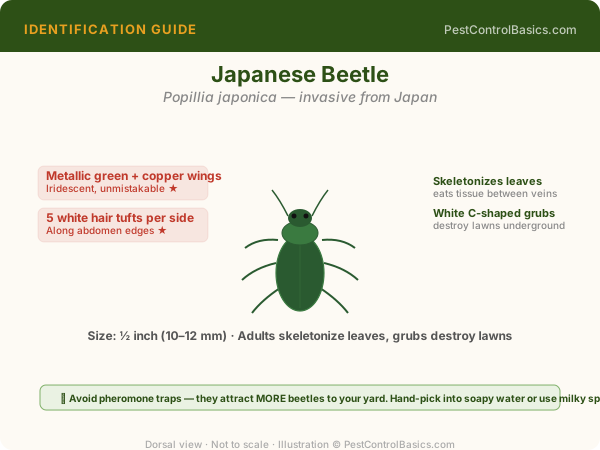
Original illustration by PestControlBasics.com. Use anatomical labels above to confirm your identification.
🔍 Identification
Adults: 8-11mm; metallic green thorax + copper-brown wing covers; 12 white tufts along sides. They feed in aggregations — the feeding-aggregate pheromone plus plant volatiles from damaged leaves attracts more beetles. Skeletonization: they eat the leaf tissue between veins, leaving a lace-like skeleton. Feeding on flowers causes rapid destruction.
🧬 Biology & Behavior
Japanese beetles are among the most polyphagous beetles — over 300 host plant species. However, they have strong preferences. Highly preferred (devastating): roses, linden/basswood, grapes, Japanese maple, apple, peach, plum, crabapple, raspberry, hollyhock, evening primrose, smartweed. Less preferred (moderate damage): birch, cherry, elm, oak, apple, grape. Relatively resistant: red maple, tulip tree, dogwood, magnolia, most conifers.
⚠️ Damage & Health Risk
Rapid skeletonization of preferred plants; flower destruction; fruit damage in orchards; cosmetic damage to ornamentals; occasional branch death in severe repeated infestations.
🔧 DIY Treatment
Hand-pick in morning (sluggish in cool temperatures) into soapy water. Neem oil deters feeding (not a knockdown). Pyrethroid spray for severe infestations. AVOID pheromone traps — research shows they attract more beetles to your yard than they catch. For high-value plants: apply contact insecticide every 3-4 days when beetle activity is peak (July).
👷 When to Call a Pro
Commercial orchards and vineyards use monitoring and timed spray programs to manage Japanese beetle adult pressure.