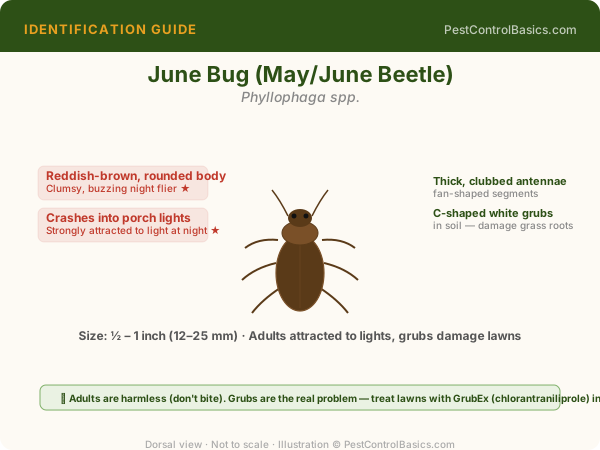
Original illustration by PestControlBasics.com. Use the labeled features above to confirm your identification.
🔍 Identification
Adults: 15-25mm; robust; reddish-brown to dark brown; rounded; attracted to lights at night in May-June. Larvae: large C-shaped white grubs up to 40mm — the largest common lawn grubs. Unlike Japanese beetle grubs (one-year cycle), June bug/May beetle grubs take 2-3 years to complete development in northern states.
🧬 Biology & Behavior
Multi-year life cycle: Year 1 — eggs hatch, small grubs feed near soil surface; Year 2 — larger grubs cause significant lawn damage in late summer; Year 3 (in north) — grubs pupate and adults emerge. This extended cycle means the treatment window differs significantly from Japanese beetle. Adults emerge and fly May-June to mate, attracted to lights in enormous numbers.
⚠️ Damage & Health Risk
Significant lawn damage from large, voracious grubs over multiple seasons; adults thudding against windows and lights (nuisance); adult feeding on tree and shrub foliage (minor).
🔧 DIY Treatment
Chlorantraniliprole (Acelepryn) or imidacloprid applied in June-July when young grubs are near the surface. The multi-year cycle means populations can build significantly before damage is obvious. Milky spore is not effective against Phyllophaga — it specifically targets Japanese beetle grubs.
👷 When to Call a Pro
For large lawn areas with established multi-year June bug pressure, professional spring and fall treatment may be warranted.