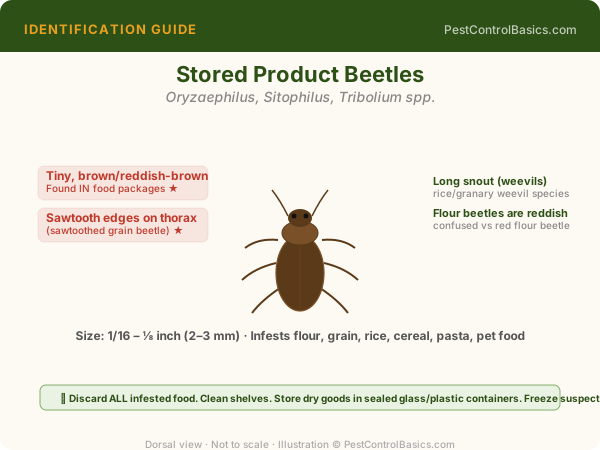
Original illustration by PestControlBasics.com. Use the labeled features above to confirm your identification.
🔍 Identification
Lesser Grain Borer (R. dominica): 2-3mm; dark brown/black; cylindrical; head bent downward under thorax; distinctive file-like surface texture on thorax. Larger Grain Borer (P. truncatus): Slightly larger (3-4mm); similar shape; more destructive; found in tropical stored corn.
Both: produce fine powdery frass that gives infested grain a characteristic flour-like dust smell.
🧬 Biology & Behavior
Both larvae and adults feed on grain — both stages are damaging, unlike weevils where only adults feed externally. Larvae develop inside kernels; adults bore from outside. Can also bore into wood (structural concern in warm climates).
⚠️ Damage & Health Risk
Grain quality loss; dusty flour-like frass; grain heating from metabolic activity; structural boring in warm climates (rare).
🔧 DIY Treatment
Same management as other stored grain pests: airtight storage, temperature control, diatomaceous earth, fumigation for commercial quantities. Adults are strong fliers — new infestations can arrive from nearby storage.
👷 When to Call a Pro
Commercial grain operations use phosphine fumigation (restricted use) for infested bulk grain and temperature management to prevent reinfestation.