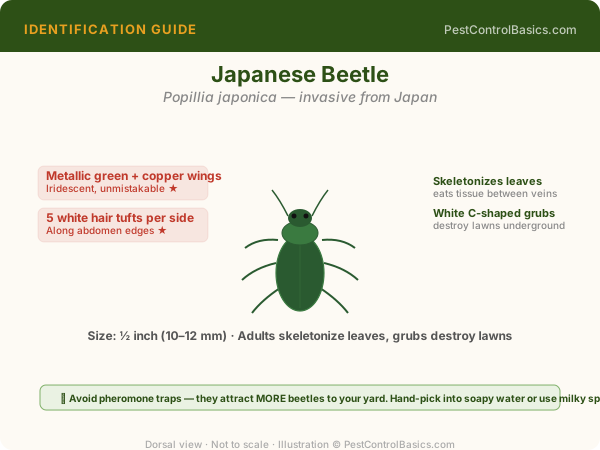
Original illustration by PestControlBasics.com. Use anatomical labels above to confirm your identification.
🔍 Identification
Two main groups affect US structures:
- Lyctid powderpost beetles (Lyctus brunneus): Attack only hardwoods (oak, hickory, ash, walnut). 1/8-inch exit holes. Fine, talcum-powder-like frass that packs into a cylinder when compressed. Most common in antique furniture and new imported hardwood.
- Anobiid beetles (Anobium punctatum, 'Common Furniture Beetle' or 'Woodworm'): Attack both hardwood and softwood. 1/16 to 1/8-inch holes. Gritty, bun-shaped frass pellets. Very common in antique furniture and older structural wood.
Active vs. old damage: Fresh exit holes have clean, sharp edges and light-colored frass. Old holes have darker, discolored edges. Light-colored frass below a hole = active infestation.
🧬 Biology & Behavior
Adults emerge from wood in spring/summer, mate, and females re-infest the same or adjacent wood by laying eggs in pores of suitable wood. Larvae tunnel through wood for 1-5 years before pupating and emerging. The damage accumulates silently — you often only notice when the tunneling has significantly weakened the wood.
Moisture significantly influences activity — wood above 12% moisture content is more susceptible. Kiln-dried wood treated before installation is resistant.
⚠️ Damage & Health Risk
Structural damage to flooring, furniture, and framing. In antique furniture, even light infestations can destroy significant monetary and historical value. Heavily infested wood becomes so riddled with tunnels it crumbles. Annual re-infestation is common in untreated wood.
🔧 DIY Treatment
Localized/surface treatment: Boracare (disodium octaborate tetrahydrate) penetrates wood and kills larvae throughout. Apply to all exposed bare wood surfaces. Highly effective and low-toxicity.
Freezing: Small furniture items can be frozen at 0°F for 2 weeks — kills all life stages.
Heat: Professional heat treatment to 140°F for 30+ minutes kills all stages in furniture and fixtures.
Fumigation: Vikane gas fumigation for severe whole-structure infestations or high-value collections.
👷 When to Call a Pro
Call a professional if: the infestation is in structural framing, you have antique/high-value items, or the damage is extensive. Professionals have access to fumigation and deep-penetrating boron treatments that aren't available over the counter.