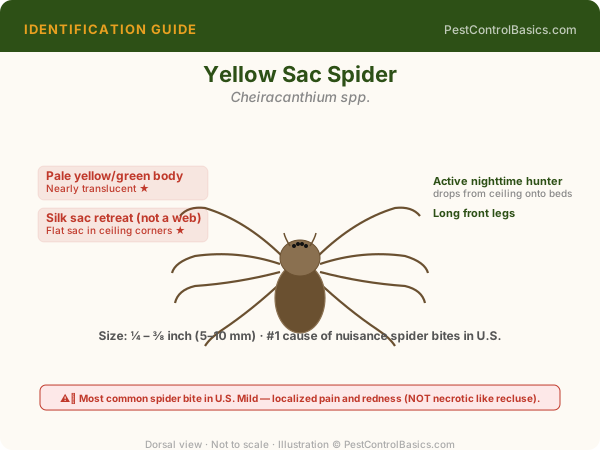
Original illustration by PestControlBasics.com. Use anatomical labels above to confirm your identification.
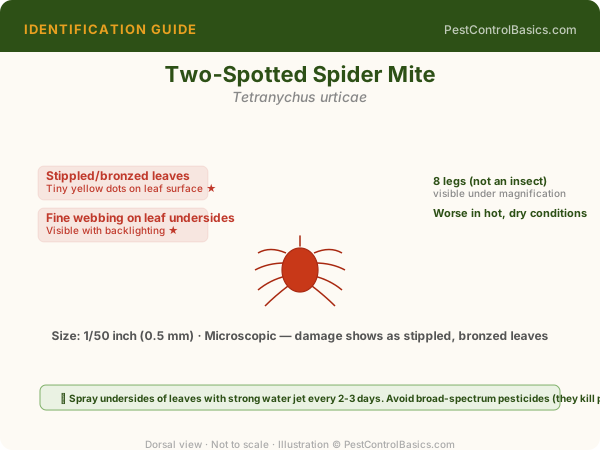
Original illustration by PestControlBasics.com. Use anatomical labels above to confirm your identification.
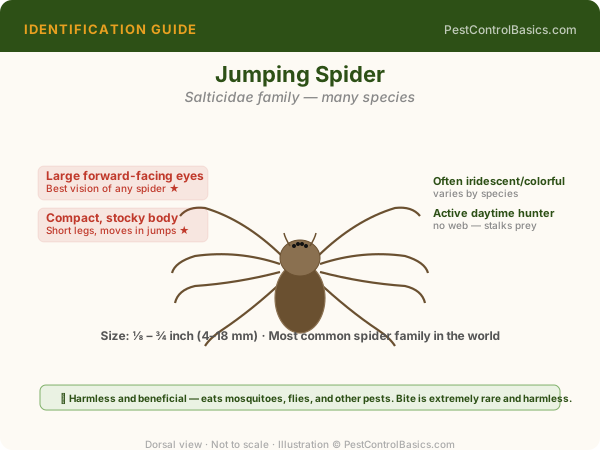
Original illustration by PestControlBasics.com. Use anatomical labels above to confirm your identification.
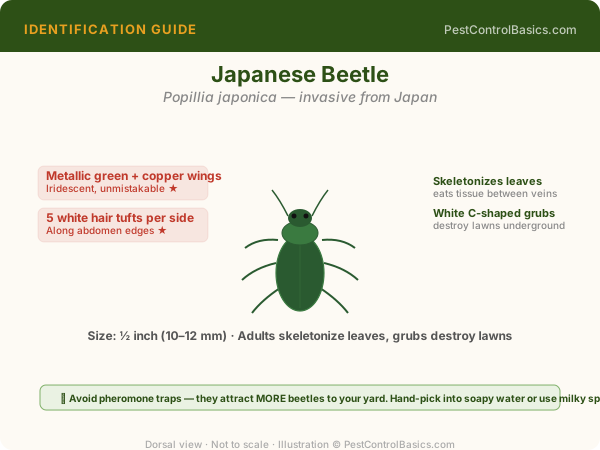
Original illustration by PestControlBasics.com. Use anatomical labels above to confirm your identification.
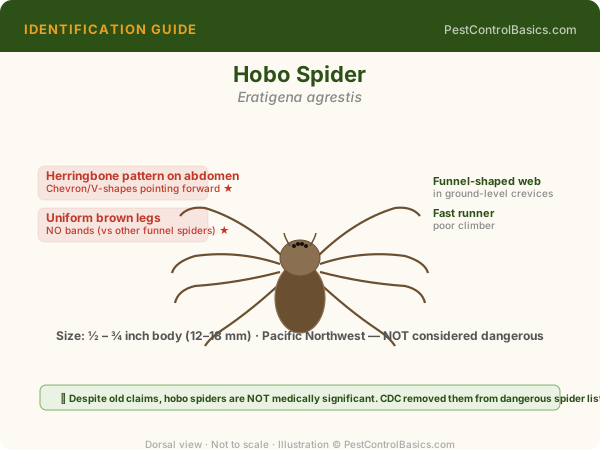
Original illustration by PestControlBasics.com. Use anatomical labels above to confirm your identification.
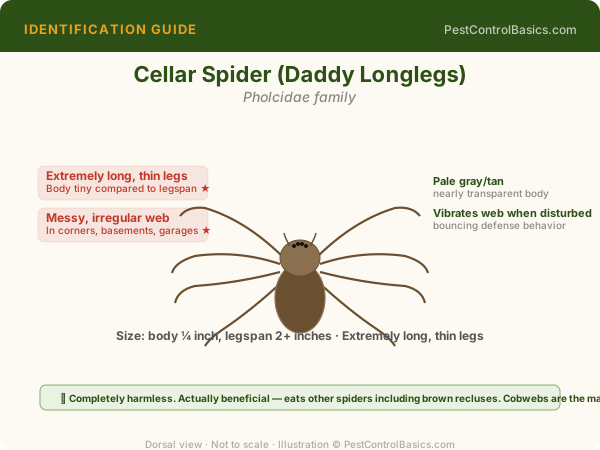
Original illustration by PestControlBasics.com. Use anatomical labels above to confirm your identification.
🔍 Identification
2-3mm; round, shiny, reddish-brown abdomen; long spindly legs; appears spider-like — the source of the common name. Antennae long. Found crawling slowly on walls, floors, and in pantry areas. Unlike bed bugs: not flat, legs are very long and thin, no shield shape.
🧬 Biology & Behavior
Spider beetles develop in dried organic materials — grain products, dried spices, rodent droppings, old nesting material, dead insects. Often indicate a hidden moisture problem or old infestation debris (rodent nest, dead bird) in a wall void or attic. Mainly nuisance; rarely a significant infestation in clean, organized pantries.
⚠️ Damage & Health Risk
Minor contamination of stored foods. Primarily a sign of a sanitation or hidden debris issue rather than an active breeding infestation in food.
🔧 DIY Treatment
Find and remove the source — inspect deep in pantry corners, in floor cracks, and any area with old grain or debris. Clean thoroughly. Discard infested food. Store all pantry items in airtight containers. Spider beetles rarely require pesticide application if the source is found and removed.
👷 When to Call a Pro
Rarely warranted. Inspect for hidden organic debris source.