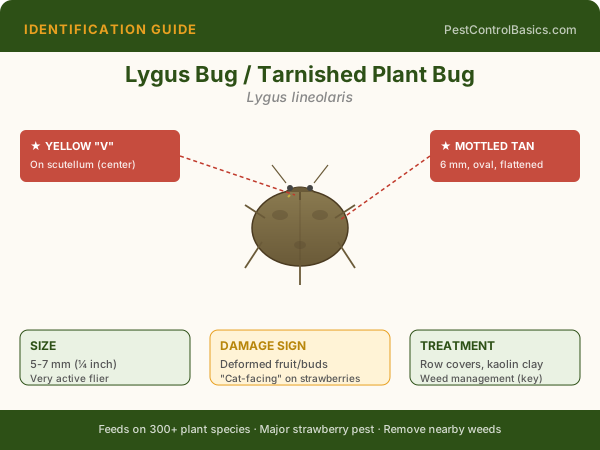
Illustrated identification guide — PestControlBasics.com
🔍 Identification
Adults: 5-7mm; oval; greenish-yellow to brown with tan and black markings; distinctive yellow triangle on back. Nymphs: bright green; similar to aphids but fast-moving. Found throughout the western US in agricultural and garden settings. Hosts: cotton, alfalfa, strawberry, stone fruit, vegetable crops, and 200+ other species. Damage: catfaced strawberries; bud abortion in cotton; stippled foliage; fruit drop in stone fruit.
🧬 Biology & Behavior
Overwinters as adult in field margins and weeds. Multiple generations per year (3-5 in California). Adults and nymphs both feed using piercing mouthparts that inject toxic saliva. In cotton: feeding on young bolls causes square shed. In strawberry: feeding on immature fruit causes catfacing indistinguishable from eastern Lygus lineolaris damage. Monitor with sticky traps or beat sampling — action thresholds vary by crop.
⚠️ Damage & Health Risk
Catfaced strawberries; cotton square shed reducing yields; bud abortion; stippled foliage; economic losses in commercial production throughout western US.
🔧 DIY Treatment
Pyrethrins or spinosad spray during bloom on high-value crops (apply evening). Weed management in field margins to reduce overwintering habitat. Kaolin clay as deterrent. Beat cloth sampling to monitor and time treatment threshold decisions.
👷 When to Call a Pro
Commercial: licensed PCA program with threshold-based spray decisions for cotton, strawberry, and vegetable crops.