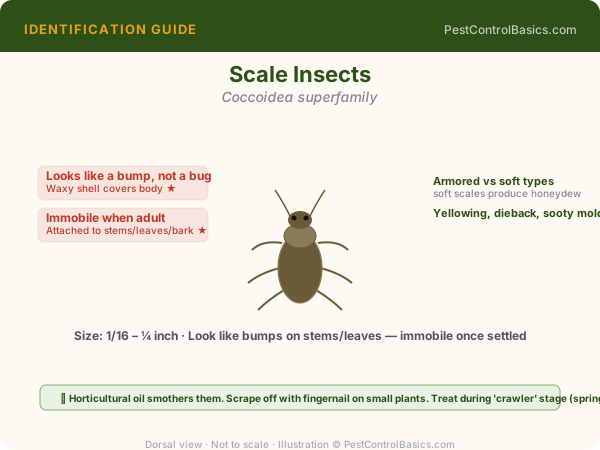
Original illustration by PestControlBasics.com. Use the labeled features above to confirm your identification.
🔍 Identification
Adult females: oval, 3-6mm, covered in white waxy coating with fringe filaments. Slow-moving or nearly stationary. Found in leaf axils, along stems, at soil line, and — critically — on roots. Nymphs (crawlers): tiny, mobile, no waxy coating at emergence. Eggs in fluffy white ovisacs under female's body.
🧬 Biology & Behavior
Females feed on phloem sap using piercing-sucking mouthparts. They produce copious honeydew that supports sooty mold growth. Most species have multiple overlapping generations per year in warm indoor conditions. Root mealybugs infest soil and roots — often missed and causing recurring infestations even after treating aerial parts.
⚠️ Damage & Health Risk
White cottony masses in leaf axils and on stems; honeydew and sooty mold; yellowing and wilting; plant stunting. Severe infestations kill plants. Root mealybugs cause wilting, yellowing, and decline without visible aerial insects.
🔧 DIY Treatment
Isopropyl alcohol (70%): Apply directly to mealybug colonies with cotton swab or spray. Penetrates waxy coating. Very effective for accessible infestations but labor-intensive.
Neem oil + insecticidal soap: Spray every 5-7 days; the soap penetrates wax, neem disrupts feeding.
Systemic imidacloprid: Soil drench or granule in potting mix; kills mealybugs including root mealybugs from inside the plant. Allow 3-4 weeks for systemic uptake.
Quarantine: Isolate affected plants immediately — mealybug crawlers spread to neighboring plants.
👷 When to Call a Pro
For large plant collections or severe infestations, professional interiorscape services use systemic treatments that are more effective than repeated DIY spot treatments.