πŸ› Root Mealybug

Rhizoecus spp. Β· Hemiptera: Pseudococcidae

Root mealybugs are invisible until you unpot the plant. By then, the root system may be severely compromised. Regular root inspection when repotting prevents catastrophic loss.

MealybugRootUndergroundHouseplantPseudococcidaeInvisible Pest
πŸ›
Risk Level
Houseplant Root Pest
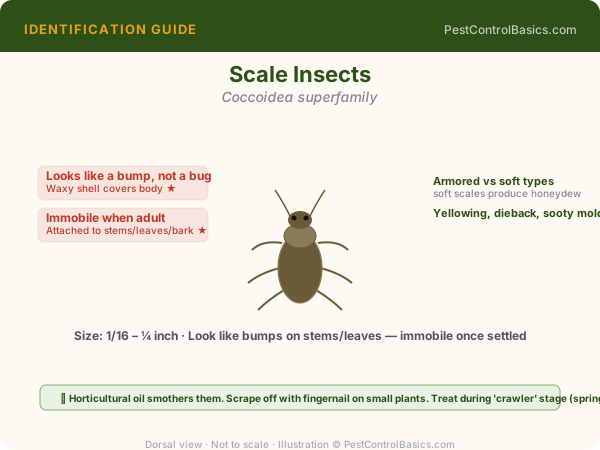
πŸ“ FIELD GUIDE ILLUSTRATION
Scale insects (Coccoidea) identification illustration with labeled anatomical features β€” PestControlBasics.com

Original illustration by PestControlBasics.com. Use the labeled features above to confirm your identification.

πŸ”¬
PestControlBasics Editorial Team
Reviewed by Derek Giordano Β· Updated 2026

πŸ” Identification

Adults: 1-2mm; white waxy coating; covered in short waxy filaments; no tail filaments (distinguishing from root aphids which have a more defined shape). Found on roots and in the growing medium, particularly near root tips. Plant symptoms: wilting despite adequate water, yellowing, stunted growth, decline for 'unknown reason.' Confirm: remove plant from pot and inspect roots β€” white cottony masses on roots confirm mealybugs.

🧬 Biology & Behavior

Root mealybugs feed on root tissue, weakening plants severely over months. They produce honeydew that encourages sooty mold growth on roots. They spread between plants via contaminated growing medium, shared tools, and water drainage. Particularly common in cacti, succulents, and ornamental houseplants. Ants may be found in the pot tending root mealybug colonies.

⚠️ Damage & Health Risk

Root system damage causing stunted growth and decline; plant death in severe infestations; spread to neighboring plants through contaminated water and medium.

πŸ”§ DIY Treatment

Remove plant from pot; wash all growing medium from roots; inspect and remove visible mealybugs; soak roots in diluted imidacloprid solution for 30 minutes; repot in fresh sterile growing medium; discard old medium. Apply imidacloprid systemic drench after repotting. Isolate from other plants until clear.

πŸ‘· When to Call a Pro

Commercial growers: soil drench with spirotetramat (Kontos) or imidacloprid at the first sign of plant decline.

❓ FAQ

How do I know if my houseplant has root mealybugs?
Remove the plant from its pot and inspect the roots. Root mealybugs appear as white cottony masses on the roots β€” similar to aerial mealybugs but on the root system. Also check the pot walls and drainage holes where they cluster. If you see ants in your houseplant pot, suspect root aphids or root mealybugs β€” ants tend both pests for honeydew.
Can root mealybugs spread between plants?
Yes β€” through contaminated potting medium (mealybugs hide in soil), shared tools, and water drainage from one pot running into another. Isolate any plant suspected of root mealybug infestation immediately and avoid sharing tools or water trays between plants.

πŸ—ΊοΈ Geographic Range & Distribution

FactorDetails
U.S. RangeAll or most U.S. states
Regional DetailDistribution varies β€” consult your local extension service for regional prevalence data.

πŸ“… Treatment Timing Guide

Treating at the right time dramatically improves results. Pest control timed to the life cycle uses less product and achieves better long-term control.

PeriodAction
SpringInspection and perimeter treatment before pest season starts.
SummerActive monitoring and targeted treatments as needed.
FallPreventive treatment before overwintering pests seek entry.

πŸ’° Professional Treatment Costs

Service TypeDIY CostProfessional Cost
Initial inspectionFree (self-inspect)$75–$150 (often credited to treatment)
One-time treatment$30–$100 in materials$150–$500
Annual service contractN/A$400–$900/year
Severe infestationOften ineffective alone$500–$2,500+

Prices vary by region, property size, and infestation severity.

❓ Common Questions About πŸ› Root Mealybug

How do I confirm I actually have this pest (not something similar)?
The most reliable confirmation is a physical specimen β€” capture one and compare to reference images on this page. For cryptic pests (bed bugs, termites), look for secondary signs: frass, shed skins, mud tubes, or bites with a specific pattern. When uncertain, a professional inspection is faster than months of misidentification.
Can I treat this myself or do I need a professional?
DIY is effective for small, accessible infestations caught early. Professionals are worth the cost when: the infestation is inside wall voids or structural elements, multiple rooms are affected, you have health-risk pests (hantavirus, venomous species), or DIY has already failed twice.
How long until the infestation is completely gone?
Expect 3–8 weeks for most infestations with proper treatment. Insects with dormant life stages (pupae, eggs) extend the timeline because those stages are impervious to most insecticides. Follow-up treatments at 2 and 4 weeks catch each new cohort as they emerge.
What's the most common mistake people make treating this pest?
Treating only the visible pest population while ignoring the harborage site, entry point, or breeding location. Killing adults provides temporary relief but the population rebuilds from hidden egg cases, pupae, or new arrivals through unaddressed entry points.
πŸ“š Sources: EPA Termite Guide Β· NPMA Termite Info
Published: Jan 1, 2025 Β· Updated: Apr 7, 2026

πŸ—ΊοΈ US Distribution β€” Root Mealybug

image/svg+xml
Common Occasional Not Present
States Present
49
Occasional
2
Primary Region
All agricultural regions
πŸ“Š Source: University extension services, USDA, CDC vector data, and published entomological surveys.