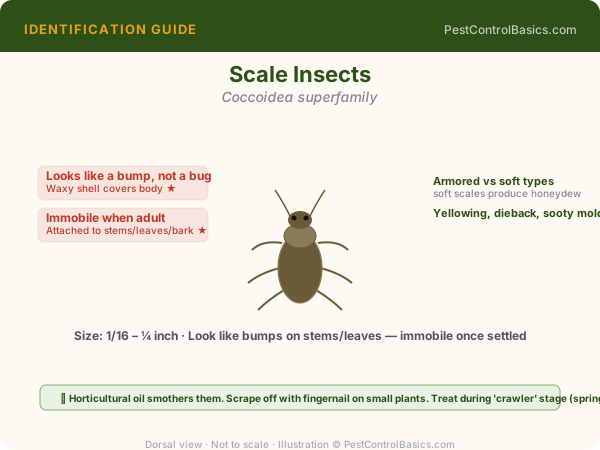
Original illustration by PestControlBasics.com. Use the labeled features above to confirm your identification.
🔍 Identification
2-5mm; white waxy coating with 18 pairs of wax filaments extending beyond body — longer filaments distinguish it from grape mealybug. Feeds on all parts of the vine including roots, trunk, cordons, canes, berries, and clusters. Found at all levels of the vine — including underground portions. Heavily infested clusters are unmarketable.
🧬 Biology & Behavior
Unlike most mealybugs, vine mealybug colonizes vine roots — making detection and control extremely difficult. Ant mutualism is critical: ants protect mealybug colonies from natural enemies in exchange for honeydew. Ants tending grapevines dramatically increase mealybug pressure. The vine mealybug is also a vector of grapevine leafroll virus, which reduces sugar accumulation and delays ripening.
⚠️ Damage & Health Risk
Direct feeding damage to all plant parts; massive honeydew production supporting sooty mold on clusters; grapevine leafroll virus transmission; complete crop loss in heavily infested blocks; structural vine damage from root feeding.
🔧 DIY Treatment
Ant control (sticky barriers on vine stakes) is essential — removing ant protection allows natural enemies to function. Spirotetramat (Movento) soil drench reaches root colonies through systemic uptake. Buprofezin applications for above-ground populations. Targeted biological control using parasitoid wasps (Anagyrus pseudococci). Mating disruption programs.
👷 When to Call a Pro
Vine mealybug management requires integrated professional programs developed with a licensed pest control adviser (PCA) in California and an experienced viticulture consultant in other states.