🐝 Mining Bee

Andrena spp. Β· Hymenoptera: Andrenidae

Mining bees excavate pencil-width holes in soil β€” often alarming homeowners. They're solitary native bees, completely docile, and legally protected in many states.

BeeBeneficialSolitaryAndrenidaeNative PollinatorGround Nesting
🐝
Risk Level
Beneficial Pollinator
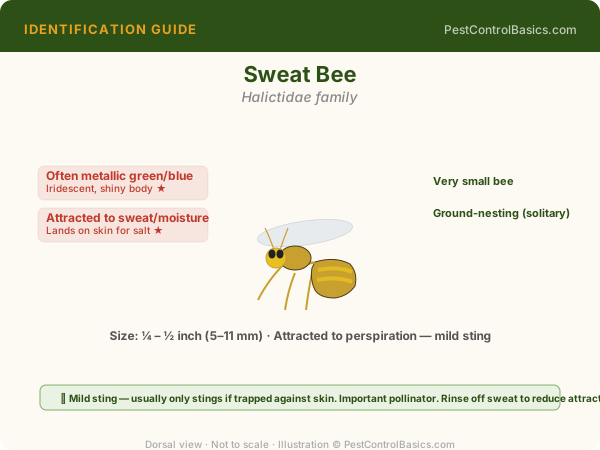
πŸ“ FIELD GUIDE ILLUSTRATION
Sweat bee (Halictidae) identification illustration with labeled anatomical features β€” PestControlBasics.com

Original illustration by PestControlBasics.com. Use the labeled features above to confirm your identification.

πŸ”¬
PestControlBasics Editorial Team
Reviewed by Derek Giordano Β· Updated 2026

πŸ” Identification

8-17mm; brown to black with pale hair bands; hairy body. Each female excavates her own individual burrow β€” NOT a colony. Active 4-6 weeks in spring. Sunny bare or sparse-vegetation areas preferred.

🧬 Biology & Behavior

Solitary β€” one female per burrow, provisions it with pollen and nectar, lays one egg per cell. Males fly near nesting areas waiting for females but cannot sting. Neither sex is aggressive.

⚠️ Damage & Health Risk

Zero. Mining bees are important early-season pollinators for fruit trees and early flowers. Their tunneling aerates compacted soil.

πŸ”§ DIY Treatment

No treatment warranted. Mark the area and avoid disturbing nesting for 4-6 weeks. Applying insecticide would destroy important native pollinators.

πŸ‘· When to Call a Pro

Never warranted β€” never treat mining bees.

❓ FAQ

Do mining bees sting?
Female mining bees have a stinger but almost never use it. Males (the hovering ones) cannot sting. Among the most docile insects you'll encounter.
How do I discourage mining bees from my lawn?
Improve turf density (overseed bare spots), increase shade, and maintain soil moisture. Dense well-watered turf is less attractive for nesting. However, supporting mining bees in designated areas of your yard is ecologically beneficial.

πŸ—ΊοΈ Geographic Range & Distribution

FactorDetails
U.S. RangeAll or most U.S. states
Regional DetailDistribution varies β€” consult your local extension service for regional prevalence data.

πŸ“… Treatment Timing Guide

Treating at the right time dramatically improves results. Pest control timed to the life cycle uses less product and achieves better long-term control.

PeriodAction
SpringInspection and perimeter treatment before pest season starts.
SummerActive monitoring and targeted treatments as needed.
FallPreventive treatment before overwintering pests seek entry.

πŸ’° Professional Treatment Costs

Service TypeDIY CostProfessional Cost
Initial inspectionFree (self-inspect)$75–$150 (often credited to treatment)
One-time treatment$30–$100 in materials$150–$500
Annual service contractN/A$400–$900/year
Severe infestationOften ineffective alone$500–$2,500+

Prices vary by region, property size, and infestation severity.

❓ Common Questions About 🐝 Mining Bee

How do I confirm I actually have this pest (not something similar)?
The most reliable confirmation is a physical specimen β€” capture one and compare to reference images on this page. For cryptic pests (bed bugs, termites), look for secondary signs: frass, shed skins, mud tubes, or bites with a specific pattern. When uncertain, a professional inspection is faster than months of misidentification.
Can I treat this myself or do I need a professional?
DIY is effective for small, accessible infestations caught early. Professionals are worth the cost when: the infestation is inside wall voids or structural elements, multiple rooms are affected, you have health-risk pests (hantavirus, venomous species), or DIY has already failed twice.
How long until the infestation is completely gone?
Expect 3–8 weeks for most infestations with proper treatment. Insects with dormant life stages (pupae, eggs) extend the timeline because those stages are impervious to most insecticides. Follow-up treatments at 2 and 4 weeks catch each new cohort as they emerge.
What's the most common mistake people make treating this pest?
Treating only the visible pest population while ignoring the harborage site, entry point, or breeding location. Killing adults provides temporary relief but the population rebuilds from hidden egg cases, pupae, or new arrivals through unaddressed entry points.
πŸ“š Sources: EPA Termite Guide Β· NPMA Termite Info
Published: Jan 1, 2025 Β· Updated: Apr 7, 2026

πŸ—ΊοΈ US Distribution β€” Mining Bee

image/svg+xml
Common Occasional Not Present
States Present
49
Occasional
2
Primary Region
Continental US
πŸ“Š Source: University extension services, USDA, CDC vector data, and published entomological surveys.