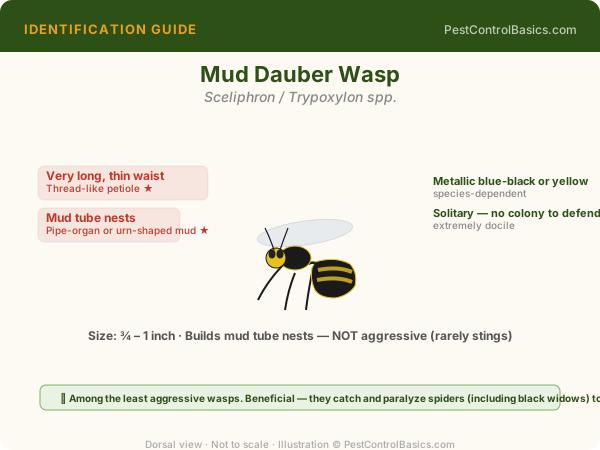
Original illustration by PestControlBasics.com. Use anatomical labels above to confirm your identification.
🔍 Identification
Adults: 25-35mm; black (or blue-black in blue mud dauber species) with very narrow thread-like waist (petiole) — the most distinctive feature; yellow legs in the common species. Builds characteristic mud tube nests: clusters of parallel clay tubes, each about 25mm long, on walls, overhangs, bridges, and any protected surface.
🧬 Biology & Behavior
Mud daubers hunt and paralyze spiders, pack them into sealed mud tubes, lay an egg on the spider, and seal the tube. Larvae hatch and consume the paralyzed spider provisions. Multiple tubes in a cluster represent multiple prey caches. Completely solitary — no colony to defend. Females very rarely sting even when directly handled.
⚠️ Damage & Health Risk
Cosmetic: mud tubes on painted surfaces; occasional mud smearing when tubes are disturbed. Zero negative impact — extremely beneficial as spider predators (including black widow spiders).
🔧 DIY Treatment
No treatment needed or warranted. For cosmetic concerns: remove old abandoned mud tubes with a putty knife after the season. If tubes are in inconvenient locations: knock them down after the wasps have abandoned them in fall.
👷 When to Call a Pro
Never warranted — mud daubers are beneficial and should be protected.