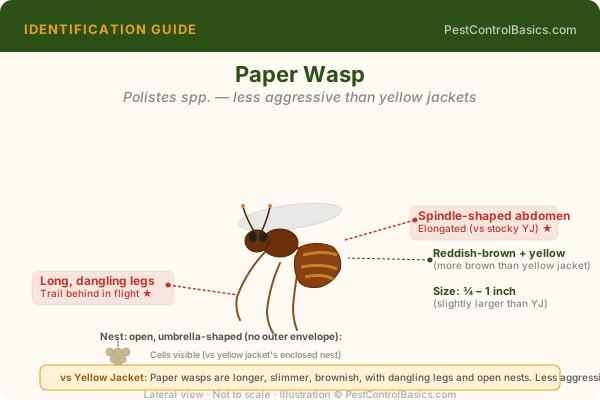
Original illustration by PestControlBasics.com. Use anatomical labels above to confirm your identification.
🔍 Identification
Yellow Paper Wasp (Polistes exclamans): South and Southeast US; bright yellow with narrow brown banding; most docile paper wasp; often nests in obvious locations.
Northern Paper Wasp (P. fuscatus): Midwest and Northeast; variable brown, black, and yellow; moderate defensiveness; nests under eaves and overhangs.
Metric Paper Wasp (P. metricus): East-Central US; primarily brown; similar to northern; nests in vegetation and protected sites.
All share the diagnostic umbrella-shaped open comb nest with hexagonal cells visible — no paper envelope enclosing the comb.
🧬 Biology & Behavior
Annual colonies: queen overwinters, starts colony alone in spring. Workers reach peak numbers of 20-75 adults in late summer — much smaller than yellow jacket colonies. Adults feed on caterpillars (beneficial pest control) and nectar.
⚠️ Damage & Health Risk
Painful stings if nest is threatened; nests under eaves near doors and traffic areas create sting risk; psychological concern in wasp-phobic individuals. Overall much less dangerous than yellow jackets due to smaller colony size.
🔧 DIY Treatment
Nests in low-traffic areas: leave them — they're beneficial predators of garden pest caterpillars. Nests over doorways or play areas: treat at night with pyrethroid wasp spray; knock down the next day. Wear protection — even docile paper wasps can sting if the nest is disturbed.
👷 When to Call a Pro
Rarely needed — paper wasp colonies are small enough for safe DIY treatment in most situations.