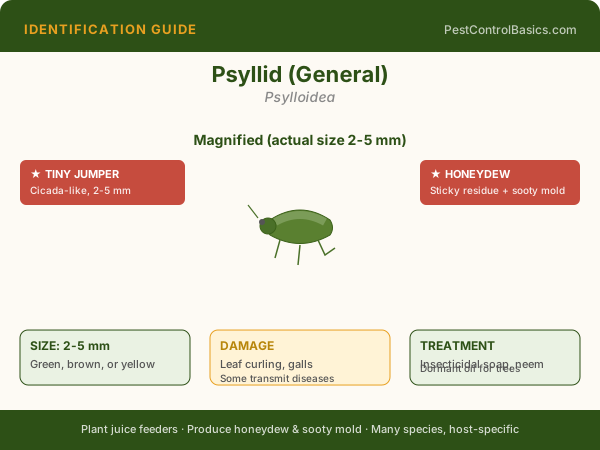
Illustrated identification guide — PestControlBasics.com
🔍 Identification
Adults: 2-3mm; resemble tiny cicadas; jump when disturbed (earning the 'jumping plant lice' name). Feed on new growth. Two species of major concern: Tomato/Potato Psyllid (Bactericera cockerelli) — vectors 'zebra chip' disease in potatoes; Asian Citrus Psyllid (Diaphorina citri) — vectors citrus greening (Huanglongbing), the most devastating citrus disease worldwide.
🧬 Biology & Behavior
Asian Citrus Psyllid (ACP): established in Florida, Texas, California, and other citrus-growing states. Vectors Candidatus Liberibacter asiaticus bacteria causing citrus greening. Trees infected with citrus greening: fruit becomes bitter and misshapen; tree slowly declines and dies. No cure exists — infected trees must be destroyed.
⚠️ Damage & Health Risk
Direct feeding causes minor stippling and leaf curl. Primary damage is disease transmission: citrus greening is a fatal citrus disease causing billions in losses; zebra chip disease makes potato chips unmarketable.
🔧 DIY Treatment
Asian Citrus Psyllid: systemic imidacloprid soil drench for established trees (provides systemic protection); foliar sprays for new growth protection. Report ACP sightings if in a quarantine area — do not move citrus plant material across quarantine boundaries.
👷 When to Call a Pro
ACP management in commercial citrus is a major state agricultural program. Contact your state department of agriculture if you find citrus with suspected greening symptoms or if you find ACP outside known quarantine areas.