πŸͺ² Red Flour Beetle vs Confused Flour Beetle

Tribolium castaneum / T. confusum Β· Coleoptera: Tenebrionidae

The red flour beetle and confused flour beetle look almost identical and infest the same foods β€” the distinction matters academically but not for treatment. Both are controlled the same way.

Flour BeetleTriboliumStored ProductPantryTenebrionidaeID Comparison
πŸͺ²
Risk Level
Pantry / Stored Product
πŸ“ FIELD GUIDE ILLUSTRATION
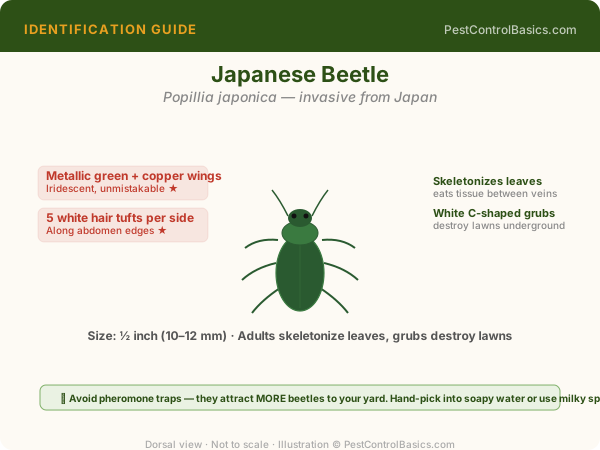
Japanese Beetle (Popillia japonica) identification illustration with labeled anatomical features β€” PestControlBasics.com

Original illustration by PestControlBasics.com. Use anatomical labels above to confirm your identification.

πŸ”¬
PestControlBasics Editorial Team
Reviewed by Derek Giordano Β· Updated 2026

πŸ” Identification

Both: 3-4mm; reddish-brown; elongated oval. Red flour beetle (T. castaneum): antennae clubs abruptly 3-segmented; slightly glossier. Found worldwide. Confused flour beetle (T. confusum): antennae gradually widen (4-segmented club); slightly duller. Common name from the taxonomic confusion in early identification. Both are found in flour, grain, pasta, dried fruit, nuts, and pet food. Requires magnification to distinguish.

🧬 Biology & Behavior

Both species have identical biology and habits. They are the two most economically destructive stored product beetles in the world, infesting flour mills, warehouses, and home pantries. Unlike grain weevils, they cannot attack intact grain β€” they require broken or milled products.

⚠️ Damage & Health Risk

Contamination of flour, grain products, pasta, and dried foods; off-flavors from quinone secretions that make infested flour taste unpleasant even after beetles are removed; widespread infestation of pantry goods.

πŸ”§ DIY Treatment

Discard all infested products. Vacuum all pantry shelves and cracks thoroughly. Wipe with hot soapy water. Store all grain products in airtight glass or hard plastic containers. Place pheromone monitoring traps. Bay leaves are not effective repellents despite popular belief.

πŸ‘· When to Call a Pro

Rarely needed for home infestations β€” sanitation and source removal is sufficient.

❓ FAQ

Are bay leaves effective against flour beetles?
No β€” controlled studies consistently show bay leaves do not repel flour beetles. This is one of the most persistent pantry pest myths. The only effective management is airtight container storage and removing infested products.
How do flour beetles get into sealed packages?
Flour beetles can enter through surprisingly small gaps in packaging β€” cardboard boxes with glued seams, poorly sealed paper bags, and thin plastic. They can also infest products at the processing facility before purchase. Transferring all dry goods to airtight containers immediately on purchase prevents establishment.

πŸ—ΊοΈ Geographic Range & Distribution

FactorDetails
U.S. RangeAll or most U.S. states
Regional DetailDistribution varies β€” consult your local extension service for regional prevalence data.

πŸ“… Treatment Timing Guide

Treating at the right time dramatically improves results. Pest control timed to the life cycle uses less product and achieves better long-term control.

PeriodAction
SpringInspection and perimeter treatment before pest season starts.
SummerActive monitoring and targeted treatments as needed.
FallPreventive treatment before overwintering pests seek entry.

πŸ’° Professional Treatment Costs

Service TypeDIY CostProfessional Cost
Initial inspectionFree (self-inspect)$75–$150 (often credited to treatment)
One-time treatment$30–$100 in materials$150–$500
Annual service contractN/A$400–$900/year
Severe infestationOften ineffective alone$500–$2,500+

Prices vary by region, property size, and infestation severity.

❓ Common Questions About πŸͺ² Red Flour Beetle vs Confused Flour Beetle

How do I confirm I actually have this pest (not something similar)?
The most reliable confirmation is a physical specimen β€” capture one and compare to reference images on this page. For cryptic pests (bed bugs, termites), look for secondary signs: frass, shed skins, mud tubes, or bites with a specific pattern. When uncertain, a professional inspection is faster than months of misidentification.
Can I treat this myself or do I need a professional?
DIY is effective for small, accessible infestations caught early. Professionals are worth the cost when: the infestation is inside wall voids or structural elements, multiple rooms are affected, you have health-risk pests (hantavirus, venomous species), or DIY has already failed twice.
How long until the infestation is completely gone?
Expect 3–8 weeks for most infestations with proper treatment. Insects with dormant life stages (pupae, eggs) extend the timeline because those stages are impervious to most insecticides. Follow-up treatments at 2 and 4 weeks catch each new cohort as they emerge.
What's the most common mistake people make treating this pest?
Treating only the visible pest population while ignoring the harborage site, entry point, or breeding location. Killing adults provides temporary relief but the population rebuilds from hidden egg cases, pupae, or new arrivals through unaddressed entry points.

πŸ“š More on This Topic

Related guides and profiles:

πŸ”— πŸͺ² Japanese Beetle β€” Adults & Grub ControlπŸ”— πŸͺ² Cucumber BeetleπŸ”— πŸͺ² Confused Flour BeetleπŸ”— πŸͺ² Beneficial Ground Beetles
πŸ“š Sources: EPA Termite Guide Β· NPMA Termite Info
Published: Jan 1, 2025 Β· Updated: Apr 7, 2026

πŸ—ΊοΈ US Distribution β€” Red Flour Beetle vs Confused Flour Beetle

image/svg+xml
Common Occasional Not Present
States Present
51
Occasional
0
Primary Region
Anywhere food is stored
πŸ“Š Source: University extension services, USDA, CDC vector data, and published entomological surveys.