HomePest LibrarySlugs & Snails
Garden Pest — Night Active
🐌

Slugs & Snails

Arion, Deroceras, Cornu & Helix species

Slugs are snails without shells — both cause the same ragged-hole damage to garden plants and leave a silvery slime trail as their calling card. Most active at night and after rain. Iron phosphate bait (Sluggo) is OMRI-certified organic, pet-safe, wildlife-safe, and highly effective.

Active timeNight and after rain — rarely seen during day
Slime trailSilvery — definitive sign of slug/snail activity
Best baitIron phosphate (Sluggo) — organic & pet-safe
Beer trapEffective — apple cider vinegar works too
HabitatLoves mulch, dense ground cover, boards
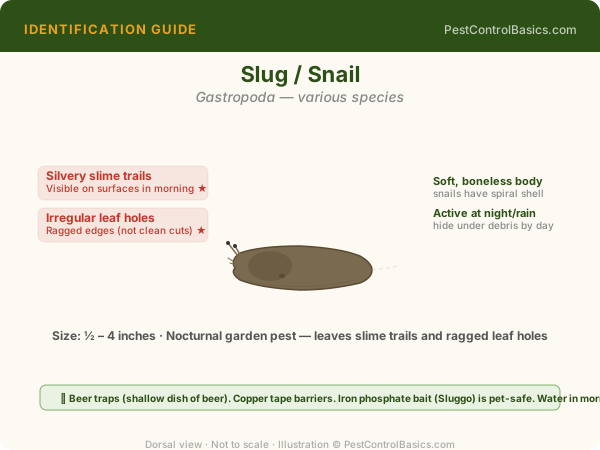
📐 FIELD GUIDE ILLUSTRATION
Slug and snail (Gastropoda) identification illustration with labeled anatomical features — PestControlBasics.com

Original illustration by PestControlBasics.com. Use the labeled features above to confirm your identification.

🔍 Identification Photo

Use this photo to confirm your identification. Click to enlarge. Correct ID is the essential first step to effective treatment.

Garden slug/snail — soft-bodied, leaves glistening mucus trail; irregular holes with smooth edges appear overnight; acti

Garden slug/snail — soft-bodied, leaves glistening mucus trail; irregular holes with smooth edges appear overnight; active after dark and in rain

📷 Wikipedia / Wikimedia Commons / CC BY-SA

⚠️ Photo loaded live from Wikipedia/Wikimedia Commons (CC BY-SA). Appearance varies by region, age, and sex. When uncertain, contact a licensed pest professional.

Identification

The slime trail confirms slugs or snails

Finding ragged holes in garden leaves is not enough to confirm slugs — caterpillars, earwigs, and other chewing insects cause similar damage. The confirming sign is the slime trail — a silvery, dried mucus streak on leaf surfaces, garden beds, or pathways that glimmers in morning light.

Night inspection: Go out with a flashlight 2–3 hours after dark on a moist evening. Slugs and snails are fully active at this time and you can assess the actual population. What looks like no slug problem during the day can reveal dozens per square yard at night.

Favorite plants: Hostas, lettuce, basil, strawberries, marigolds, and most seedlings. Thick, succulent leaves are preferred. Seedlings are particularly vulnerable — a single slug can destroy all the seedlings in a flat overnight.

Control

Iron phosphate is the gold standard

Iron phosphate bait (Sluggo, Escar-Go): Small blue-gray granules scattered through the garden. Slugs and snails consume the bait, stop feeding, and die within 3–6 days. Iron phosphate naturally degrades in soil — it's OMRI-certified, safe for use around food plants, and poses no risk to pets, children, birds, or beneficial insects. This is the recommended first-line treatment for any garden slug or snail problem.

Sluggo Plus: Contains iron phosphate plus spinosad, which extends effectiveness to earwigs, pillbugs, and cutworms in addition to slugs and snails. Good choice for multi-pest garden bed situations.

Beer trap: Bury a container level with the soil surface and fill with cheap beer or apple cider vinegar (plus a drop of dish soap). Slugs are attracted to the yeast, fall in, and drown. Empty and refill every 2 days. Effective for small gardens; labor-intensive for large areas.

Habitat reduction: Eliminate slug daytime hiding spots — boards, debris, dense mulch against plant stems. Pull mulch 2 inches away from plant crowns. Reduce watering frequency and water in the morning rather than evening (drier soil surfaces at night = less slug activity).

Quick Reference
Slugs vs. snailsSlugs have no shell; snails do — same control
Active timeNight and overcast/rainy periods
DamageRagged holes in leaves, slime trails on surfaces
Favorite plantsHostas, lettuce, basil, strawberries, seedlings
Hides during dayUnder boards, dense mulch, debris
EggsRound, clear/white clusters in soil or under debris
Best baitIron phosphate — Sluggo, Sluggo Plus
Also effectiveBeer trap, copper tape, diatomaceous earth (when dry)
AI Bug Identifier →Find a Pro →
Slugs & Snails
Slugs & Snails
🧪 Recommended Treatment Products
Iron Phosphate (Pet-Safe) Metaldehyde Capsaicin Barrier
Full product guides with mixing rates and safety info. → Browse All 130 Pesticide Guides

Frequently Asked Questions

How do I know if I have Slugs & Snails?

Signs of Slugs & Snails include physical sightings, droppings or frass, damage to food or materials, and unusual odors. Inspect hidden areas like wall voids, behind appliances, and in storage spaces. A flashlight inspection after dark is often most revealing.

Are Slugs & Snails dangerous to humans or pets?

Slugs & Snails can pose health risks including bites, allergic reactions, food contamination, and disease transmission. Children, elderly, and pets are especially vulnerable. Consult a pest management professional when an infestation is confirmed.

Can I eliminate Slugs & Snails myself?

Light infestations may be manageable with DIY baits, traps, and targeted treatments. Established infestations typically require professional intervention. Misapplied products often scatter pests and worsen the problem long-term.

How long does Slugs & Snails treatment take?

Timelines vary by infestation size and method. Baits may take 1–4 weeks to work through a colony. Chemical treatments often require 2–3 applications spaced 2–4 weeks apart. Monitor for 30–60 days after treatment to confirm elimination.

What attracts Slugs & Snails to my home?

Slugs & Snails are typically drawn by food sources, standing moisture, warmth, and shelter. Sealing entry points, reducing clutter, fixing leaks, and storing food in airtight containers are the most effective long-term prevention measures.

Related Resources

📚 Full Pest Library🧪 DIY vs. Pro Quiz💰 Cost Guide🌿 IPM Guide🔍 Find a Pro
🔮
Reviewed by Derek GiordanoContent on PestControlBasics.com is developed with input from certified pest management professionals and cross-referenced against EPA, CDC, and university extension guidance. Last reviewed: April 2026.
📚 Sources: EPA Termite Guide · NPMA Termite Info
Published: Jan 1, 2025 · Updated: Apr 7, 2026

🗺️ US Distribution — Slugs & Snails

image/svg+xml
Common Occasional Not Present
States Present
49
Occasional
2
Primary Region
Continental US
📊 Source: University extension services, USDA, CDC vector data, and published entomological surveys.