πŸ› Squash Vine Borer

Melittia cucurbitae Β· Lepidoptera: Sesiidae

One morning your zucchini is thriving β€” the next it's completely wilted. Squash vine borers cause this overnight collapse by tunneling through the main stem.

CaterpillarLepidopteraVegetable PestSquashZucchiniClearwing
πŸ›
Risk Level
Vegetable Pest
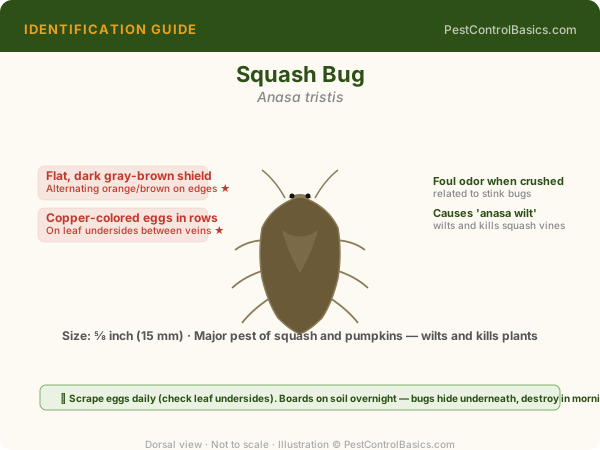
πŸ“ FIELD GUIDE ILLUSTRATION
Squash bug (Anasa tristis) identification illustration with labeled anatomical features β€” PestControlBasics.com

Original illustration by PestControlBasics.com. Use the labeled features above to confirm your identification.

πŸ”¬
PestControlBasics Editorial Team
Reviewed by Derek Giordano Β· Updated 2026

πŸ” Identification

Adults: clearwing moths resembling wasps β€” brilliant orange and black abdomen, transparent wings, day-flying. Larvae: white/cream, 25-35mm, found inside squash stems. Signs of infestation: sawdust-like frass mixed with green material at the stem base; wilting despite adequate water; soft, discolored stem at the base.

🧬 Biology & Behavior

Adults lay eggs singly at the stem base in early summer. Larvae hatch and immediately bore into the stem, tunneling upward. Multiple larvae in a single stem can completely girdle the water-conducting tissue. Found primarily in eastern and central North America. Zucchini and other summer squash most vulnerable; butternut squash and some other winter squash have some resistance due to denser stem tissue.

⚠️ Damage & Health Risk

Sudden plant wilting and death; affected stem collapses even with adequate water; near-complete loss of susceptible squash plantings in affected areas.

πŸ”§ DIY Treatment

Prevention: apply permethrin or spinosad spray to stem base beginning in mid-June when adults are flying; continue weekly. Row covers from transplant through female flower opening (remove for pollination). For already-infested plants: slit the stem, remove larvae, bury the stem in moist soil β€” it may re-root. Succession planting (late July replanting) avoids peak egg-laying.

πŸ‘· When to Call a Pro

Rarely warranted alone β€” home garden management is very effective.

❓ FAQ

Can I save a squash plant after vine borer infestation?
Yes, sometimes. Slit the stem lengthwise where you see frass entry holes, remove all visible larvae, pack the slit with moist soil, and stake the plant upright. Bury the damaged stem section β€” squash will grow new roots from buried stems. Provide consistent water. Success rate varies but many plants recover.
Does butternut squash resist vine borers?
Butternut squash and hubbard squash have harder, denser stem tissue that makes tunneling more difficult β€” vine borers prefer the softer stems of zucchini and yellow squash. Many experienced gardeners grow butternut while protecting zucchini, or focus preventive spray only on susceptible varieties.

πŸ—ΊοΈ Geographic Range & Distribution

FactorDetails
U.S. RangeAll or most U.S. states
Regional DetailDistribution varies β€” consult your local extension service for regional prevalence data.

πŸ“… Treatment Timing Guide

Treating at the right time dramatically improves results. Pest control timed to the life cycle uses less product and achieves better long-term control.

PeriodAction
SpringInspection and perimeter treatment before pest season starts.
SummerActive monitoring and targeted treatments as needed.
FallPreventive treatment before overwintering pests seek entry.

πŸ’° Professional Treatment Costs

Service TypeDIY CostProfessional Cost
Initial inspectionFree (self-inspect)$75–$150 (often credited to treatment)
One-time treatment$30–$100 in materials$150–$500
Annual service contractN/A$400–$900/year
Severe infestationOften ineffective alone$500–$2,500+

Prices vary by region, property size, and infestation severity.

❓ Common Questions About πŸ› Squash Vine Borer

How do I confirm I actually have this pest (not something similar)?
The most reliable confirmation is a physical specimen β€” capture one and compare to reference images on this page. For cryptic pests (bed bugs, termites), look for secondary signs: frass, shed skins, mud tubes, or bites with a specific pattern. When uncertain, a professional inspection is faster than months of misidentification.
Can I treat this myself or do I need a professional?
DIY is effective for small, accessible infestations caught early. Professionals are worth the cost when: the infestation is inside wall voids or structural elements, multiple rooms are affected, you have health-risk pests (hantavirus, venomous species), or DIY has already failed twice.
How long until the infestation is completely gone?
Expect 3–8 weeks for most infestations with proper treatment. Insects with dormant life stages (pupae, eggs) extend the timeline because those stages are impervious to most insecticides. Follow-up treatments at 2 and 4 weeks catch each new cohort as they emerge.
What's the most common mistake people make treating this pest?
Treating only the visible pest population while ignoring the harborage site, entry point, or breeding location. Killing adults provides temporary relief but the population rebuilds from hidden egg cases, pupae, or new arrivals through unaddressed entry points.
🧪 Recommended Treatment Products
Bifenthrin Carbaryl (Sevin) Beneficial Nematodes IPM Guide
Full product guides with mixing rates and safety info. → Browse All 130 Pesticide Guides
πŸ“š Sources: EPA Termite Guide Β· NPMA Termite Info
Published: Jan 1, 2025 Β· Updated: Apr 7, 2026

πŸ—ΊοΈ US Distribution β€” Squash Vine Borer

image/svg+xml
Common Occasional Not Present
States Present
49
Occasional
2
Primary Region
All agricultural regions
πŸ“Š Source: University extension services, USDA, CDC vector data, and published entomological surveys.