πŸͺ² Flea Beetle Species Guide

Phyllotreta / Epitrix / Chaetocnema Β· Coleoptera: Chrysomelidae

Not all flea beetles attack all plants. The species determines the host β€” and knowing which species you have guides both treatment timing and plant selection.

Flea BeetleSpecies GuideHost SpecificChrysomelidaeVegetableRow Cover
πŸͺ²
Risk Level
Vegetable Pest Reference
πŸ“ FIELD GUIDE ILLUSTRATION
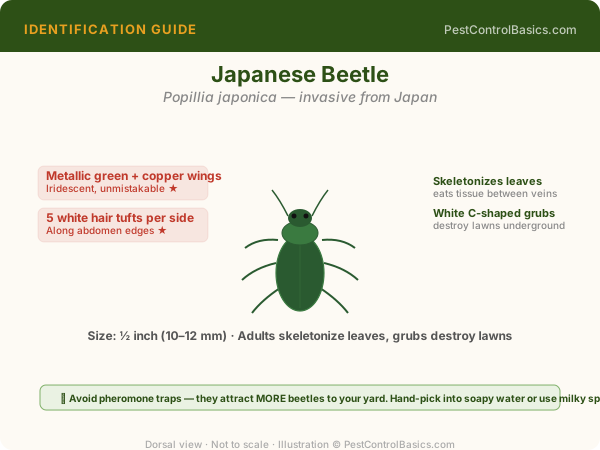
Japanese Beetle (Popillia japonica) identification illustration with labeled anatomical features β€” PestControlBasics.com

Original illustration by PestControlBasics.com. Use anatomical labels above to confirm your identification.

πŸ”¬
PestControlBasics Editorial Team
Reviewed by Derek Giordano Β· Updated 2026

πŸ” Identification

Striped flea beetle (Phyllotreta striolata): yellow stripes on black; attacks brassicas exclusively (broccoli, kale, cabbage, mustard). Potato flea beetle (Epitrix cucumeris): tiny, black; attacks potatoes, peppers, tomatoes, eggplant. Corn flea beetle (Chaetocnema pulicaria): bronze-black; attacks corn; vectors Stewart's wilt disease. Spinach flea beetle (Disonycha xanthomelas): larger; blue-black; spinach and related plants.

🧬 Biology & Behavior

Most flea beetles overwinter in soil as adults and emerge in spring concurrent with host plant emergence β€” creating the damaging synchrony with vulnerable seedlings. Row cover installed at planting prevents all species. Spinosad spray is effective across all flea beetle species. Sticky yellow traps monitor adult activity and provide early warning of emergence before seedlings are damaged.

⚠️ Damage & Health Risk

Seedling destruction in 24-48 hours during peak emergence; shot-hole pattern on leaves; reduction in plant establishment; corn flea beetle vectors Stewart's wilt in susceptible corn varieties.

πŸ”§ DIY Treatment

Row cover from planting β€” most reliable protection. Spinosad spray when beetles are present. Kaolin clay (Surround WP) as deterrent. Delayed planting by 2-3 weeks avoids peak flea beetle emergence.

πŸ‘· When to Call a Pro

Commercial brassica production: imidacloprid seed treatment or at-plant granules provides protection during the critical seedling period.

❓ FAQ

Do flea beetles attack all vegetables?
Each flea beetle species has a relatively specific host range. Brassica flea beetles stay on brassicas. Potato flea beetles target solanums. Knowing your species helps you focus protection on vulnerable plants β€” you don't need to protect garlic or corn from striped flea beetles that only attack brassicas.
Can flea beetles spread plant disease?
The corn flea beetle (Chaetocnema pulicaria) vectors Stewart's wilt, a bacterial disease that kills susceptible corn varieties. This makes corn flea beetle control particularly important in susceptible hybrid corn. Most other flea beetle species are not significant virus vectors in the way that cucumber beetles and leafhoppers are.

πŸ—ΊοΈ Geographic Range & Distribution

FactorDetails
U.S. RangeAll 50 states
Regional DetailPeak pressure in Southeast and Gulf Coast. Active April–October in most regions. Year-round problem in warm coastal climates.

πŸ“… Treatment Timing Guide

Treating at the right time dramatically improves results. Pest control timed to the life cycle uses less product and achieves better long-term control.

PeriodAction
March–AprilBegin monthly yard treatments before flea season starts.
May–SeptemberPeak season β€” maintain pet treatments and indoor IGR.
OctoberFinal indoor and yard treatment to kill remaining populations.

πŸ’° Professional Treatment Costs

Service TypeDIY CostProfessional Cost
Initial inspectionFree (self-inspect)$75–$150 (often credited to treatment)
One-time treatment$30–$100 in materials$150–$500
Annual service contractN/A$400–$900/year
Severe infestationOften ineffective alone$500–$2,500+

Prices vary by region, property size, and infestation severity.

❓ Common Questions About πŸͺ² Flea Beetle Species Guide

How do I confirm I actually have this pest (not something similar)?
The most reliable confirmation is a physical specimen β€” capture one and compare to reference images on this page. For cryptic pests (bed bugs, termites), look for secondary signs: frass, shed skins, mud tubes, or bites with a specific pattern. When uncertain, a professional inspection is faster than months of misidentification.
Can I treat this myself or do I need a professional?
DIY is effective for small, accessible infestations caught early. Professionals are worth the cost when: the infestation is inside wall voids or structural elements, multiple rooms are affected, you have health-risk pests (hantavirus, venomous species), or DIY has already failed twice.
How long until the infestation is completely gone?
Expect 3–8 weeks for most infestations with proper treatment. Insects with dormant life stages (pupae, eggs) extend the timeline because those stages are impervious to most insecticides. Follow-up treatments at 2 and 4 weeks catch each new cohort as they emerge.
What's the most common mistake people make treating this pest?
Treating only the visible pest population while ignoring the harborage site, entry point, or breeding location. Killing adults provides temporary relief but the population rebuilds from hidden egg cases, pupae, or new arrivals through unaddressed entry points.

πŸ“š More on This Topic

Related guides and profiles:

πŸ”— FleasπŸ”— Flea Life Cycle β€” The 95% Problem You're MissingπŸ”— πŸ¦— Cat FleaπŸ”— How to Eliminate Fleas From Your Home Permanently
πŸ“š Sources: EPA Flea Control Β· CDC Flea-Borne Diseases
Published: Jan 1, 2025 Β· Updated: Apr 7, 2026

πŸ—ΊοΈ US Distribution β€” Flea Beetle Species

image/svg+xml
Common Occasional Not Present
States Present
51
Occasional
0
Primary Region
All 50 states
πŸ“Š Source: University extension services, USDA, CDC vector data, and published entomological surveys.