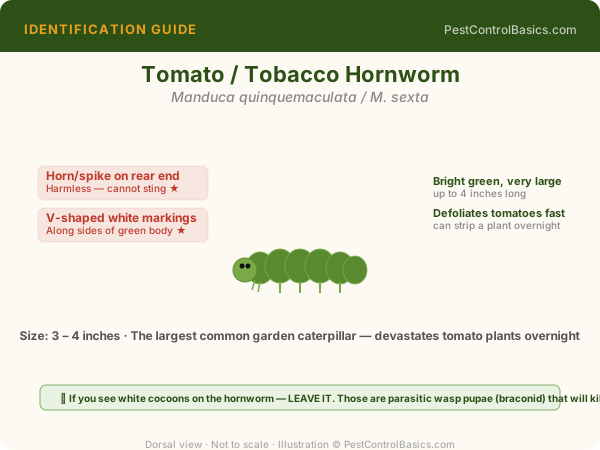
Original illustration by PestControlBasics.com. Use the labeled features above to confirm your identification.
🔍 Identification
Larva: up to 100mm; bright green with white diagonal stripes; distinctive rear horn (red/black/green). The green-on-green camouflage is extraordinary — the caterpillar blends perfectly with tomato foliage. Finding them requires looking for: dark green frass (droppings) on leaves and soil below, defoliated stems from the top down, and following the frass trail upward to the caterpillar. Check at dusk when UV light makes them mildly fluorescent.
🧬 Biology & Behavior
Adults are large hawk moths (sphinx moths) with 4-5 inch wingspans that hover like hummingbirds. Eggs are laid singly on leaf undersides. Caterpillars feed for 3-4 weeks then pupate in soil. One to two generations per year. Watch for: white cocoon-like structures attached to hornworms — these are parasitoid wasp (Cotesia congregata) egg cases. Caterpillars with parasitoid cocoons should be left alone — the wasps will kill the hornworm and disperse to parasitize more.
⚠️ Damage & Health Risk
Rapid defoliation of tomato plants; loss of developing fruit from stem stripping; reduced tomato yield; complete plant defoliation in heavy infestations.
🔧 DIY Treatment
Hand-pick at dusk using UV blacklight flashlight — caterpillars glow. Leave any with white cocoon clusters (parasitoid wasps). Bt kurstaki spray on foliage when caterpillars are small (early instars). Spinosad spray for larger caterpillars resistant to Bt.
👷 When to Call a Pro
Rarely warranted for residential gardens — Bt and hand-picking are sufficient. Commercial tomato: conventional perimeter spray programs.