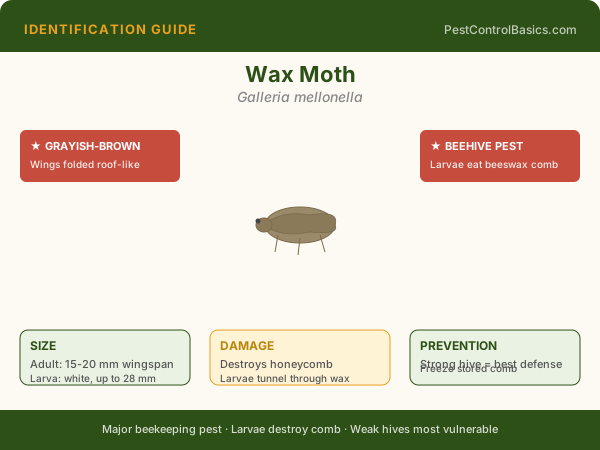
Illustrated identification guide — PestControlBasics.com
🔍 Identification
Greater Wax Moth (Galleria mellonella): Adults 12-20mm wingspan; grey-brown; females have hooked proboscis for piercing wax comb. Larvae (the damaging stage): cream-colored, 25mm, silk-webbing throughout comb.
Lesser Wax Moth (Achroia grisella): Smaller; silver-grey; similar damage pattern but less severe.
🧬 Biology & Behavior
Females enter hives at night to lay eggs in comb. Larvae burrow through comb, spinning silk tunnels that are nearly impossible to remove. A strong colony prevents entry — guard bees repel female moths. Only weak colonies, recently split hives, or stored equipment are vulnerable to wax moth damage.
⚠️ Damage & Health Risk
Destruction of drawn wax comb — the most valuable asset in beekeeping (takes years and enormous bee energy to produce). Complete destruction of comb in stored equipment. In weak colonies, wax moths can collapse the entire colony.
🔧 DIY Treatment
Strong colonies are self-defending. For stored equipment: freeze (0°F for 48 hours) destroys all life stages before storage. Para-moth (paradichlorobenzene) crystals in sealed storage. Certan (Bt aizawai) is an effective biological control applied to stored frames — harmless to bees.
👷 When to Call a Pro
Beekeeping supply companies sell wax moth prevention products. Apiary consultants can help design storage protocols for beekeeping operations.