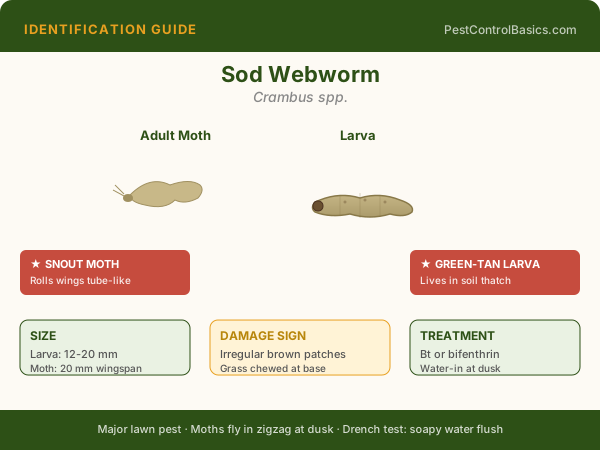
Illustrated identification guide — PestControlBasics.com
🔍 Identification
Adults: small (15-20mm wingspan); white or tan; hold wings tightly rolled over body at rest; fly in erratic zigzag pattern low over lawn at dusk — this adult behavior is diagnostic. Larvae: 15-25mm; green to tan; dark spots along body; found in silk-lined tunnels in thatch. Damage: irregular brown patches that expand outward; grass stems cut at soil level; thatch with fine green pellets of excrement.
🧬 Biology & Behavior
Confirm with soap flush test: mix 2 tbsp dish soap in 1 gallon water; pour over 1 square yard of suspect turf; count larvae that surface within 10 minutes (5+ per sq yard = significant infestation). Two generations per year in most areas — spring generation (June) and summer generation (August) cause the most visible damage.
⚠️ Damage & Health Risk
Expanding brown patches in lawns; complete grass death in severe infestations; rapid damage spread in hot July-August weather; bird digging for larvae indicates infestation.
🔧 DIY Treatment
Bt kurstaki spray (DiPel, Thuricide) applied in early evening when larvae are actively feeding — highly effective on young larvae. Spinosad spray for larger larvae. For established infestations: bifenthrin or lambda-cyhalothrin provides rapid knockdown. Apply late afternoon and irrigate lightly first to bring larvae to the surface.
👷 When to Call a Pro
Professional lawn programs use threshold-based applications timed to the early instar window when Bt is most effective.